
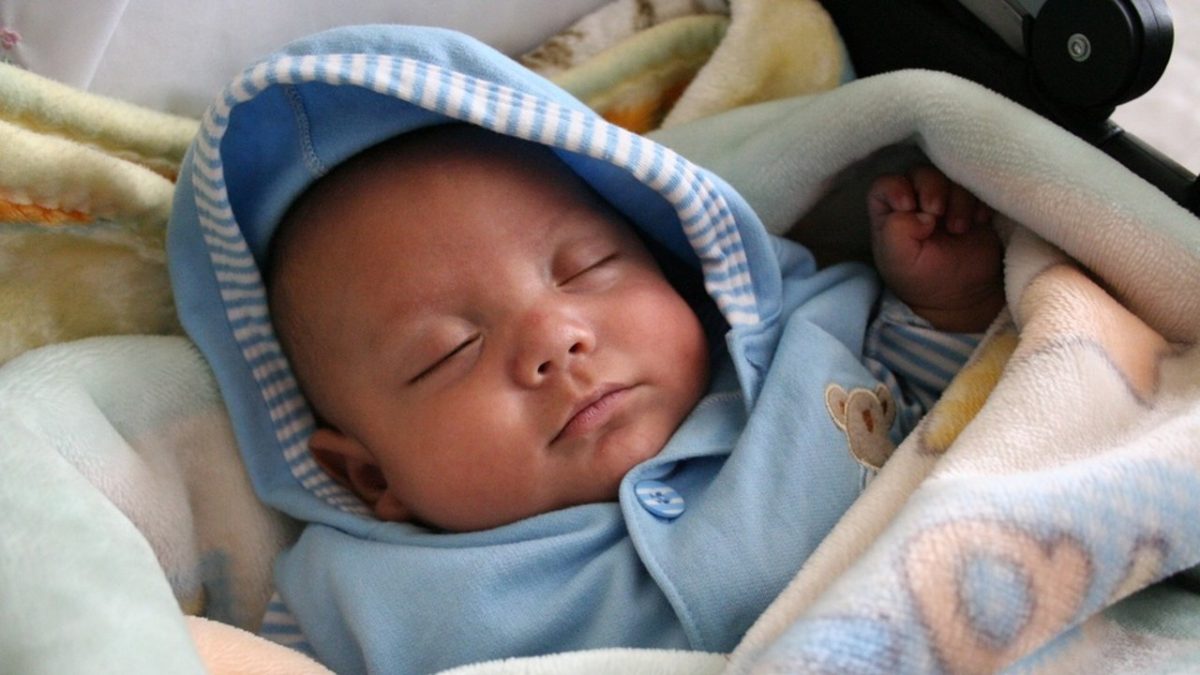

New neuroscience and clinical studies are forcing a rethink of when human consciousness emerges, and the implications hit directly at the heart of the abortion debate. Recent work found signs of adult-like brain activity in newborns and premature infants, challenged long-held medical assumptions about infants and pain, and raised uncomfortable questions about how society treats its most defenseless members. The data push a conservative argument that if consciousness appears far earlier than assumed, then policy and practice must follow the moral reality science is revealing.
For years the medical orthodoxy assumed babies lacked the capacity for conscious experience, a belief that justified painful procedures performed without adequate anesthesia well into the late twentieth century. That acceptance was rooted in historical views going back to Charles Darwin and earlier clinical habits, not in modern evidence. New studies show that those old assumptions deserve sharp reexamination.
One headline-grabbing piece asked, “Are Babies Conscious?” and described experiments where newborns and preterm infants showed brain signatures previously thought to require mature communication and behavior. Those signals are not minor blips; researchers detected patterns that mirror activity seen in awake adults. When infants cannot speak or act, brain science is now able to read back surprising levels of organized response.
In a German experiment newborns wearing headphones were played “oddball sounds” and produced a clear, measurable brain response to the unexpected tones. Philosophers and neuroscientists involved in the work noted the newborn brain is “already performing very close to what we find in an adult brain,” a blunt admission that newborns are far more neurologically sophisticated than many assumed. That kind of result undermines any argument that silence or immobility equals lack of conscious perception.
The Developing Connectome Project in London mapped how regions of baby brains light up together, forming networks that resemble those seen in waking adults. Even infants born prematurely showed coordinated activity across brain regions, which suggests coherent perception rather than random, immature firing. Trinity College Dublin neuroscientist Lorina Naci has argued that babies might experience the world in richer, more organized ways than previously credited.
As monitoring tools and analytic methods improve, some scientists are even entertaining the possibility that consciousness begins earlier than once believed, though the idea that it starts at conception remains debated. From a conservative perspective the trend is clear: if the biological and neurological evidence moves earlier, public policy that permits destruction of human life at later stages becomes harder to defend. Science is narrowing the gap between ethical intuition and empirical reality.
The public discussion also needs to reckon with hard numbers and financial incentives that clash with moral claims. There are roughly 1.13 million abortions a year in the United States, and reports show private companies and institutions have received reimbursements tied to fetal tissue procurement. For example, records indicate Cercle Allocation Services received $16,065 from UCLA in 2023 for 21 liver and thymus specimens, a transactional detail that raises questions about commodifying unborn tissue.
Those fiscal facts make the debate less abstract. When the work of researchers and the purchase of fetal material exist side by side, citizens and policymakers must ask whether current systems respect the dignity of human life. From a Republican viewpoint, protecting the vulnerable is not sentimental rhetoric; it is a political and moral duty reinforced by emerging scientific evidence.
History shows how medical assumptions can lag behind knowledge and how conscience can catch up when the facts are clear. As in past reforms, when data confronts outdated practice the right response is to change laws and standards to protect life. The new neuroscience does not settle every ethical question, but it demands serious policy attention rather than casual dismissal of what these tiny brains are capable of experiencing.






You must be logged in to post a comment Login