
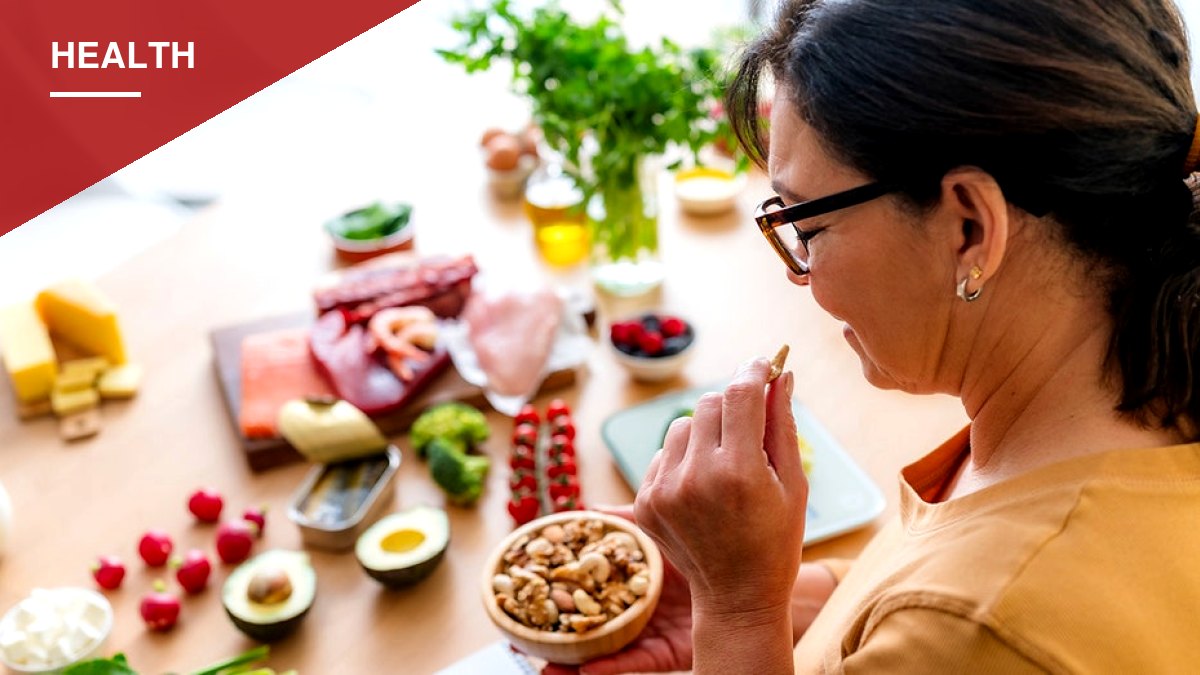

Carrying extra weight around the midsection can be more than a cosmetic concern. According to Dr. Michael Aziz, an internist based in New York City, abdominal fat is often a sign of visceral fat, which sits deep inside the abdomen and is tied to a range of health problems. He told Fox News Digital that overweight people with excess belly fat face a higher risk of heart attacks and strokes.
Aziz said genetics do play a role in obesity, but added that people are not locked into their outcomes. Diet and regular exercise can change a person’s “genetic destiny,” he said. Below are his recommendations for foods that can help reduce belly fat and support a healthier lifestyle.
Lean Protein
Lean protein sources such as chicken breasts and eggs are low in calories while still keeping people full. Aziz noted that some research has found high-protein diets can help the body burn extra calories, though he cautioned that eating too much protein can raise the risk of kidney stones, heart attacks and strokes.
The American Heart Association recommends choosing skinless chicken, fish and plant proteins over red meats like beef, pork and lamb, which contain more saturated fat. “Saturated fats can raise your blood cholesterol and increase your risk of heart disease,” the organization says. Johns Hopkins Medicine points to edamame, tempeh and tofu as meat-free options that still provide substantial protein.
Vegetables and Fruit
Aziz suggested filling plates with vegetables that are low in calories and high in fiber, with lettuce and salads as reliable choices, especially when paired with lean protein and healthy fats for a balanced meal.
He also recommends anti-inflammatory fruits that are low in sugar, such as berries. Harvard Medical School adds apples, citrus fruits and stone fruits like cherries and peaches to the list, citing their vitamin C and fiber content.
Healthy Fats
Fat itself shouldn’t be feared, according to Aziz.
“Fat is a very important factor in making us lose weight. For decades, we were told to avoid fats and to follow a low-fat diet, but many fats are good for us,” Aziz told Fox News Digital.
He advises including a bit of fat with every meal to feel more satisfied while eating less. Monounsaturated fats, found in olive oil, avocados, walnuts, butter and cheese, can promote a sense of fullness.
Hydration and What to Avoid
Aziz also emphasized drinking plenty of water, saying green tea and coffee can be included in moderation since caffeine may help boost metabolism. He recommended steering clear of refined carbohydrates and sugar, which can raise cholesterol and don’t keep people feeling full for long.






You must be logged in to post a comment Login