
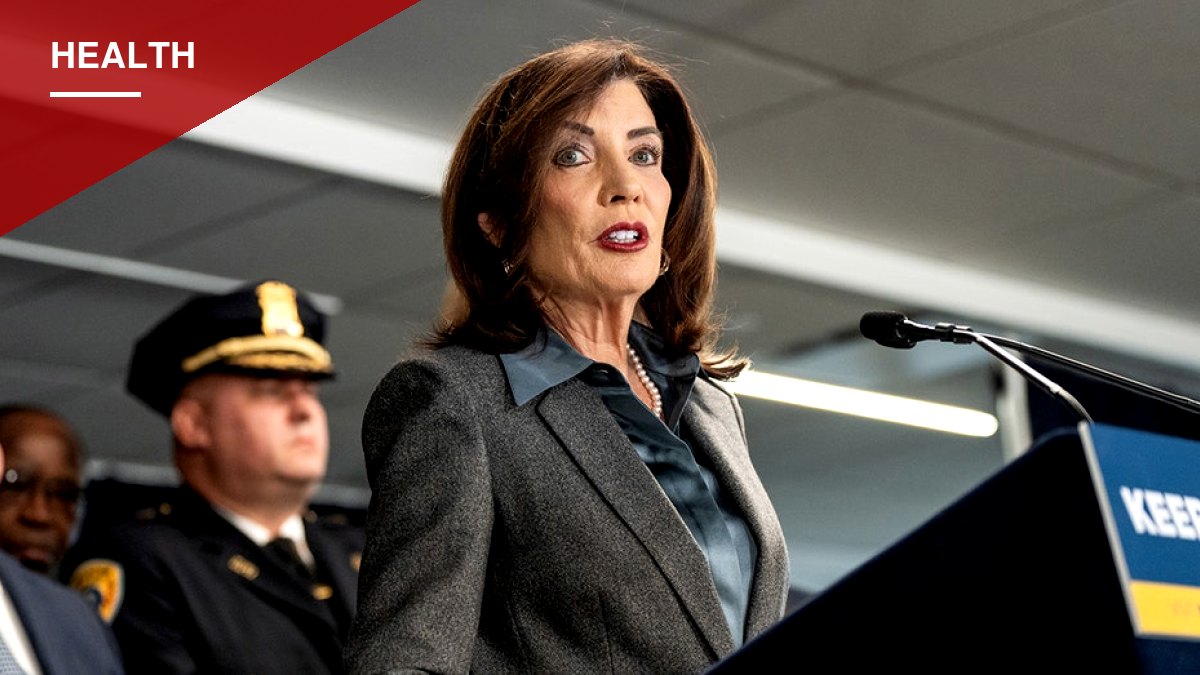

New York Gov. Kathy Hochul declared a statewide emergency on Monday in response to a measles outbreak that has spread across the border from Pennsylvania. It is the first emergency declaration tied to the measles resurgence that began sweeping the United States in 2025.
Pennsylvania has reported 977 measles cases and five deaths as of Oct. 2, with the bulk of infections concentrated in rural communities. New York has reported 108 cases so far.
“No one should get seriously ill or die from a vaccine-preventable disease,” Hochul said in a statement.
The outbreak comes as the country faces its worst year for measles since 1991, with nearly 3,900 cases reported nationwide, according to the Centers for Disease Control and Prevention.
New Rules for Vaccination and Reporting
Alongside the emergency declaration, Hochul signed an executive order expanding the pool of health professionals authorized to administer measles vaccines. The order allows registered nurses to order tests for suspected measles cases and permits pharmacists to vaccinate children as young as two.
The order also requires all MMR vaccinations to be reported to state or New York City immunization registries within 72 hours, and it waives the usual requirement that adults consent before such reporting occurs.
Philadelphia Response
In Philadelphia, where much of the outbreak has been centered, the city and state health departments have been working with the Children’s Hospital of Philadelphia. Officials said last month the agencies were “working closely to ensure potentially exposed infants receive a preventative antibody product to prevent or lessen severe disease and to take steps to prevent the further spread of measles.”
Philadelphia Health Commissioner Dr. Palak Raval-Nelson said the exposures are “a reminder of how important it is for all of us to be up to date on our vaccinations.”
The city’s health department advised that anyone exposed to measles who is not immune, unsure of their vaccination status, an infant, pregnant and not immune, or immunocompromised should contact a doctor.
“Some people may still be eligible for treatment after exposure that can prevent measles or reduce the severity of illness. Anyone who develops symptoms should call ahead before visiting a healthcare facility and tell the provider about the possible measles exposure.”
Why Officials Are Worried
Measles is among the most contagious viruses known and can be fatal in one to three cases per 1,000, according to available data. The illness can also lead to long-term complications including pneumonia and brain swelling, and nearly 20% of people who contract it require hospitalization.




You must be logged in to post a comment Login