
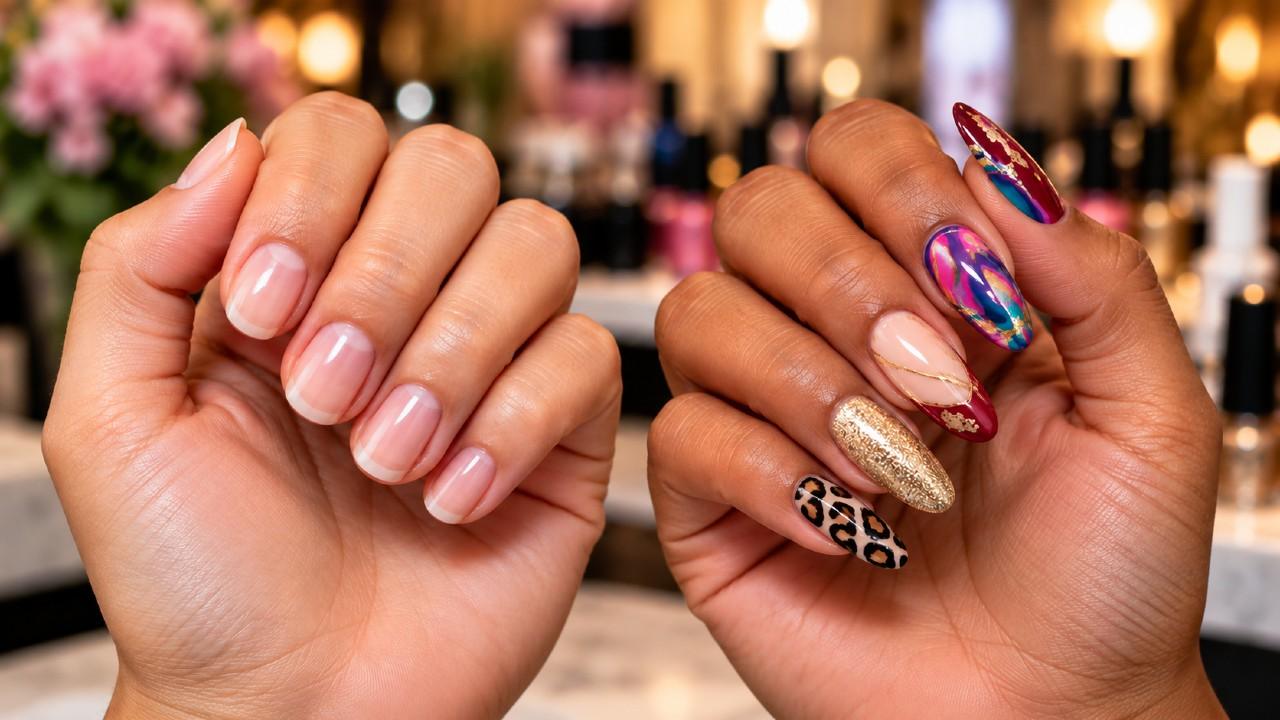

The BBC published a long piece insisting that the bare nails trend was more than a beauty choice, then removed it after a fierce backlash and the page quietly disappeared, leaving critics to call out a public broadcaster for turning ordinary grooming into cultural accusation.
The story began with a simple observation: short, glossy, unpainted nails are showing up everywhere from runways to social media, and some women choose them for budget or convenience. Instead of stopping there, the report argued that this look signals a broader cultural erasure, assigning meaning to an ordinary style. That leap from manicure to motive sparked immediate online ridicule and a rapid editorial retreat.
The article leaned on a claim that fashion choices have been co-opted into a language of oppression, and it presented that claim as serious reporting rather than opinion. A beauty journalist was quoted making a sweeping statement about taste and identity, suggesting that describing bare nails as elegant masks a larger racial bias. Those exact words were printed and then amplified across platforms, which only intensified the reaction.
That trend really promotes blankness and this kind of sameness and erasure of culture and identity that is so important to black and brown communities. They are often called elegant or tasteful, and these are often usually euphemisms that perpetuate white supremacist standards of beauty.
Read plainly, that quote suggests that a clear coat is evidence of cultural erasure and that the word tasteful is a coded insult. The critics did not let the claim stand. Voices from a wide range of politics and professions called the piece absurd, from commentators to historians, all questioning why a public-service outlet would treat nail preference as social indictment.
Two reporters reportedly assembled interviews and historical context around the thesis, turning salon anecdotes into a feature story about class and identity. That transformation from observation to accusation is what many found most troubling. It felt less like reporting and more like a desire to force a cultural narrative where none naturally existed.
The backlash came fast. Commentators labeled the article foolish and divisive, and ordinary readers piled on with sharp, punchy reactions that cut through the theory. One woman who had stopped getting regular manicures after decades said of her choice, “Not because I joined the KKK.” That simple, stubborn sentence punctured the article’s grander claims.
The piece did not emerge from nowhere; similar arguments had circulated in lifestyle pages earlier in the year, repackaged now with the BBC seal of scrutiny. But dressing speculation in public-money-backed reporting ratcheted up concern, because a national broadcaster carries influence and a responsibility to avoid inflating everyday preferences into moral indictments.
When institutions start widening the definition of systemic wrongdoing to seize on commonplace acts, the effect is corrosive. Yesterday’s offenses were exams and punctuality, claimants say, and now everyday grooming choices join the list. The consequence is predictable: ordinary people feel surveilled and lectured about choices that were once private and personal.
Scripture was invoked by critics to underline the cultural inversion at work: “Woe unto them that call evil good, and good evil; that put darkness for light, and light for darkness; that put bitter for sweet, and sweet for bitter!” That line was used to argue the piece confused preference with persecution and turned harmless style into supposed moral failure.
There is a better way to see it. The worth of a woman is not set by polish or price, and the idea that a fashion cycle can erase a culture is insulting to the very communities the article claimed to defend. Personal grooming decisions are driven by taste, budget, age, and mood, not by a hidden manifesto of supremacy.
The swift removal of the article and the eventual 404 page feels like a confession of error, but it does not erase the impulse that created the story. A broadcaster that once faced controversies over doctored footage and internal shakeups now faces fresh criticism for treating nails as news. Deleting a page does not repair the institution’s appetite for turning small things into big accusations.
Women will keep choosing manicures the way they choose shoes and haircuts. Some will keep the polished look, and some will opt for simplicity. Neither choice is an ideology in disguise, and a public broadcaster should stop pretending otherwise.




You must be logged in to post a comment Login