
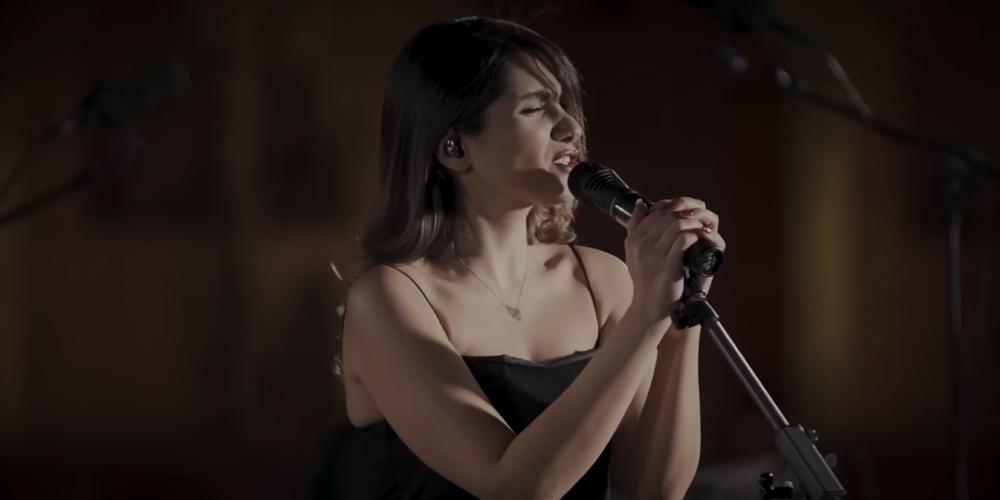

A woman named Parastoo Ahmadi was ordered to receive 74 lashes for singing a patriotic hymn without a head covering, and this ruling shows how the Iranian theocracy still treats female visibility as a crime. The courts in Qom rejected her appeal and left in place bans on her artistic work and travel, declaring a streamed concert to be obscene. The episode exposes a legal system that criminalizes a woman’s voice while pretending to engage the world in diplomacy.
Parastoo Ahmadi, a 29-year-old singer, performed a livestreamed concert where she sang “Az Khoone Javanane Vatan” without a hijab and posted the clip on her channel. The video drew millions of views and, instead of applause, triggered arrest and prosecution under vague morality statutes. The sentence handed down by the Qom court is 74 lashes plus a two-year ban on artistic activity and a two-year travel ban, and the appeal was denied without a real hearing.
The formal charge is framed as a violation of public decency through producing and publishing “obscene and immoral content” in cyberspace, converting a musical performance into a criminal act. Human-rights lawyers say the law is being stretched to fit conduct that isn’t even defined as criminal in Iranian criminal codes. That legal sleight of hand is designed to silence women and to make cultural expression a matter of state control.
For anyone paying attention, this is not an isolated fashion dispute; it is the same machine that crushed Mahsa Amini and then blamed instability on external forces. The compulsory hijab in Iran functions as a mechanism of state power rather than a personal or cultural choice. The regime talks about diplomacy and regional concerns while enforcing corporal punishment at home for a woman who sang a patriotic song.
Officials have dragged collaborators into the same case, including musicians and members of a production team, showing how the state uses collective repression to intimidate creative networks. The courts have labeled online music and a simple livestream as digital corruption, weaponizing nebulous moral statutes to punish artistic expression. That tactic deters future performances and turns artists into an example for others who might try to speak or sing.
Legal observers in Iran point out the inconsistency and hypocrisy in the prosecution: singing and producing music are not clearly criminal offenses in the law, yet prosecutors repurpose indecency rules to secure convictions. Civil society advocates say this exposes the regime’s PR strategy as a sham—Tehran negotiates about oil and nuclear issues abroad while continuing to flog women for what the government deems impropriety. The patchwork of prosecutions is meant to keep every act of female visibility under threat.
The clampdown stretches beyond music. Actors Fatemeh Masoudifar and Mehrdad Sedighian were recently summoned after a scene in a stage drama was interpreted as improper, even though the company maintains the camera angle misled viewers. Organizers of a women’s park race were warned and policed because some runners’ clothing allegedly violated “Islamic standards,” and security was posted to enforce compliance. These episodes form a pattern: the state treats ordinary public life and creative work as potential crimes when women are visible without full compliance.
Christians and other minority communities in Iran feel the same pressure: house churches are raided and converts face national-security charges, underscoring that the state asserts ownership over bodies, voices, and conscience. The doctrine behind the hijab law is broader than dress codes; it is a claim that the state decides which expressions are allowable. When a patriotic hymn becomes an “immoral” act because a woman sang it, the regime reveals its obsession with control over identity itself.
Woe unto them that decree unrighteous decrees, and that write grievousness which they have prescribed.
A punishment of 74 lashes will not erase a video or shut down the idea of women singing for their country. Instead, it underlines a basic reality: a government that needs corporal punishment to silence a song is defending its fragility, not its legitimacy. The world hears a simple truth in that cruelty—a regime that fears a woman’s voice is admitting what it cannot defend with argument.




You must be logged in to post a comment Login