
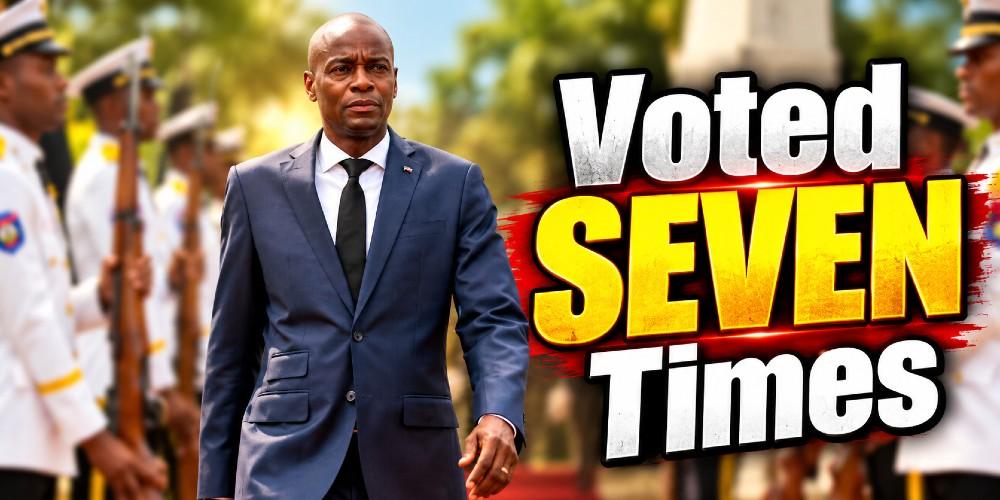

Federal agents in Pennsylvania arrested two noncitizens accused of casting ballots in recent elections, part of a string of four noncitizen voting cases that surfaced over a few days. Officials say the arrests include multiple alleged incidents stretching back to 2022, and they come amid a legal fight over access to unredacted voter rolls. The developments have pushed prosecutors to stress enforcement and raised sharp questions about election integrity in a battleground state.
One of the people charged is a 39-year-old Haitian national accused of voting in November 2022 and of repeatedly submitting voter-registration paperwork in Philadelphia County. Prosecutors say the registration activity dates back years, and federal counts against him carry serious penalties. The case highlights how investigators are tracing both registration records and ballots to build criminal cases.
The other recently charged individual is a 43-year-old Mexican national alleged to have voted in both the 2022 and 2024 general elections in Chester County. Those two counts carry their own potential prison terms and fines under federal law, and agents say the evidence ties the suspect to specific ballots. Taken together, the charges show prosecutors treating alleged noncitizen voting as a pattern they intend to pursue.
Federal authorities had already arrested two lawful permanent residents in related Philadelphia cases, one accused of voting in 2022 and another tied to the 2024 election. Those separate arrests signal that investigators are not limiting attention to undocumented people alone. The wider set of cases underscores why election officials and law enforcement are watching registration rolls closely.
Homeland Security investigators emphasize the risk to public confidence when illegal votes enter the system, and agency leaders have been blunt about the stakes. Officials say each suspect’s case is part of a broader enforcement posture targeting unlawful ballots.
“every unlawful ballot can undermine confidence and diminish citizens’ voices.”
The Justice Department has been pressing for full access to Pennsylvania’s voter files, filing a suit to obtain unredacted rolls so noncitizen names can be purged. An Obama-appointed judge dismissed that lawsuit, and DOJ took an appeal in July, keeping the conflict alive in the courts. The legal fight over records complicates enforcement efforts, since redacted lists slow investigators who need raw data to match registrations and ballots to individuals.
Federal prosecutors and local agents reiterate that prosecutions are meant to protect legitimate voters, not to intimidate anyone. One U.S. Attorney put the principle plainly while announcing enforcement actions and reminding the public of legal boundaries.
“sovereignty belongs to the American people and that anyone who votes illegally, including illegal aliens, will be prosecuted.”
From a law-and-order perspective, these cases are straightforward: follow the evidence, press charges when warranted, and seek penalties that reflect the seriousness of undermining elections. Voters deserve ballots that reflect the choices of eligible citizens, and prosecutors say that enforcing voting laws is an essential part of preserving that trust. The message from authorities has been consistent—illegal voting will trigger criminal consequences.
Beyond prosecutions, the situation exposes gaps in how voter rolls are verified and who gets counted on them, and those gaps demand bipartisan fixes that restore certainty. Election administrators must have the tools and legal clarity to remove ineligible registrations while protecting legitimate voters from error. Officials in Pennsylvania and elsewhere now face pressure to shore up verification while court battles over access to data play out.



You must be logged in to post a comment Login