
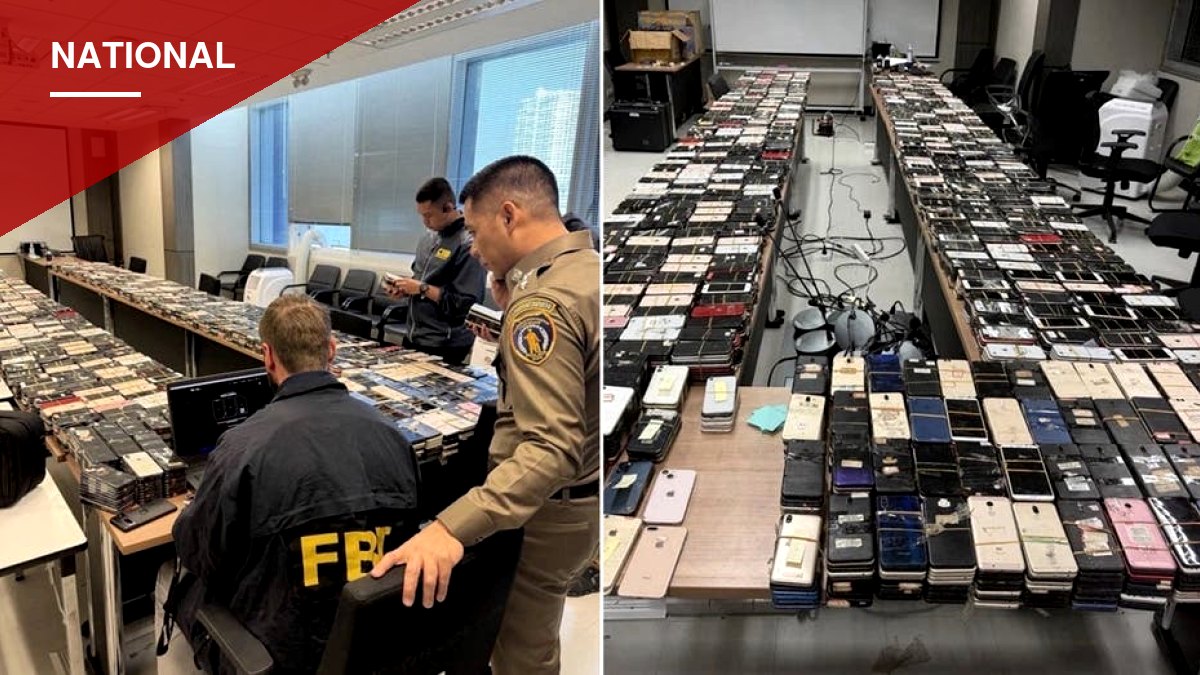

Americans reported losing $20.9 billion to internet-enabled crime in 2025, according to FBI data, a 26% jump from the previous year and the highest total the agency has ever recorded. Even as most categories of crime, including homicide and car theft, have declined, losses tied to online scams have surged.
Victims over age 60 accounted for $7.7 billion of the total, averaging roughly $38,500 in losses per person. The Federal Trade Commission has noted that most victims never file a report, meaning the true scale of losses is likely higher than official figures show.
Much of the money is not stolen through hacking or stolen passwords. Instead, victims are often persuaded to voluntarily wire funds to scammers, frequently operating overseas. Because the transfer is initiated by the account holder, it can appear legitimate to banks and payment systems along the way.
The Treasury Department has estimated that Americans lost at least $10 billion in 2024 to scam operations based in Southeast Asia, a 66% increase from the prior year. Many of these operations are run out of Burma, Cambodia and Laos, and are staffed in part by trafficked workers held through debt bondage or violence, according to Treasury.
Social media has become a major channel for these schemes. The FTC reports that scams originating on social media platforms cost Americans $2.1 billion last year, an eightfold increase from 2020 and more than losses tied to any other method of contact. Artificial intelligence is increasingly used by scammers, allowing them to operate without English fluency or authentic photos.
Banks and Regulators at Odds Over Who Should Bear the Cost
In December 2024, the Consumer Financial Protection Bureau, then under the outgoing Biden administration, sued the operator of the Zelle payment network along with three of its largest participating banks over losses tied to scams. That lawsuit was dismissed with prejudice three months later.
Banks have invested heavily in fraud prevention, running real-time risk scoring on outbound payments and issuing warnings when funds are headed to new recipients. Juniper Research estimates financial institutions spent roughly $21 billion on fraud prevention in 2025. The FBI’s Financial Fraud Kill Chain froze $679 million of $1.16 billion in attempted theft last year through coordination with banks and law enforcement.
Enforcement Actions Target Scam Networks Abroad
In October, the United States and United Kingdom jointly sanctioned 146 individuals and entities linked to Cambodia’s Prince Group. The Department of Justice indicted the group’s chairman, and prosecutors moved to seize 127,271 Bitcoin, worth billions of dollars — the largest forfeiture in Justice Department history.
The Scam Center Strike Force has recovered more than $401 million for return to victims, and the FBI’s Operation Level Up has warned more than 8,000 Americans while scams were in progress, according to figures cited in reporting on the issue.
Policy debates continue over how to permanently address the problem, including proposals to codify current executive-branch measures into law, expand information-sharing between banks, telecommunications and technology companies, designate qualifying scam syndicates as terrorist organizations, and require platforms to remove fraudulent advertising.






You must be logged in to post a comment Login