
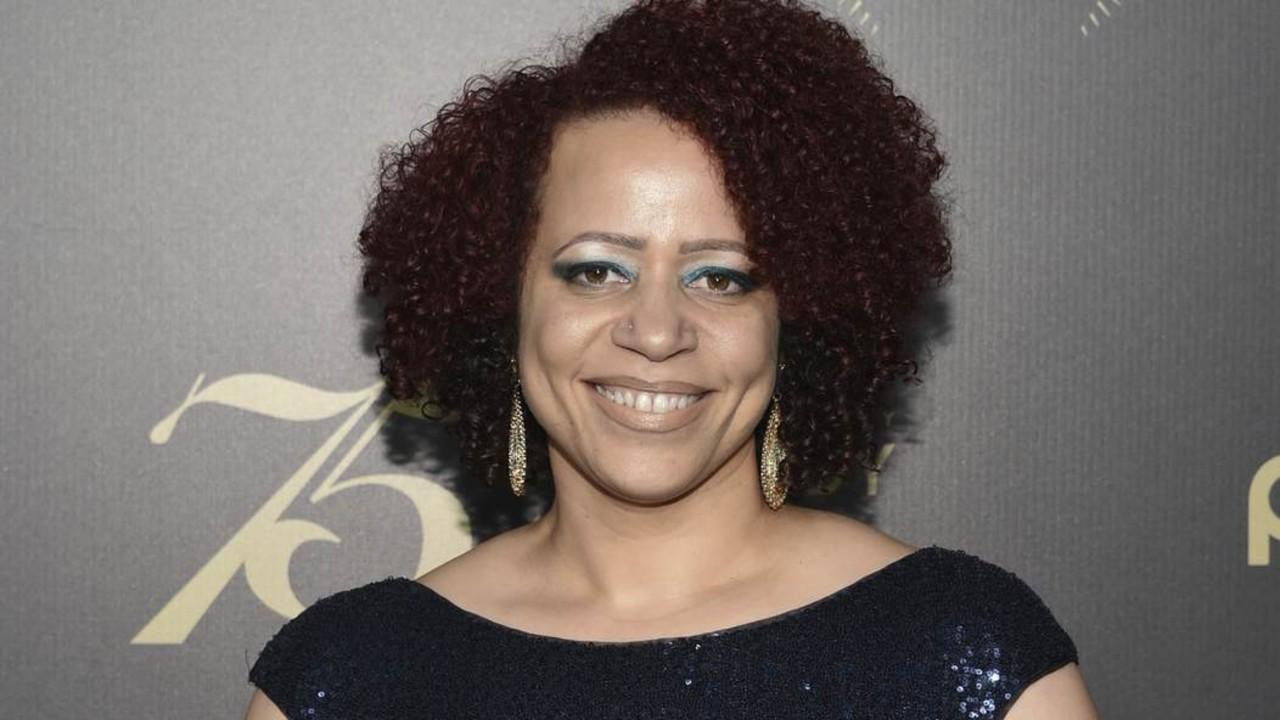

Nikole Hannah-Jones wrote about her daughter’s years in struggling New York City schools and, in the process, laid out a powerful case for school choice. Her account chronicles classroom chaos, missed instruction, and the way standards and a different environment finally pulled the child forward. This piece looks at those moments and the policy implications that Republican reformers have championed for years.
Hannah-Jones enrolled her daughter Najya in a segregated, high-poverty Brooklyn pre-K despite being able to afford private school or a stronger zoned option. The choice was political, meant to make a point about desegregation and community responsibility. That principle came with consequences when the school failed to provide consistent instruction.
She reports an unsupervised lunchroom where fights went unchecked, a first-grade environment that felt unsafe, and a third grade where teacher absences left kids parked in other classrooms. By fourth grade teachers stopped grading Najya’s work and skipped required reading assessments while she believed she was excelling in math. Later, Najya looked back and said she “didn’t know anything.”
Hannah-Jones stepped in: visiting the cafeteria, breaking up fights, reading ungraded homework, and trying to shore up her child’s learning herself. Those are admirable personal efforts, but they cannot substitute for regular instruction and accountability. The story highlights how individual sacrifice can only go so far when systems fail.
At Urban Assembly Unison the school dropped basic homework routines and pushed “Algebra for All” before foundations were solid. A tutor eventually discovered Najya still lacked long division and fractions despite getting A’s on her report card. That mismatch between grades and actual learning exposes a serious problem with standards and grading practices.
By eighth grade Najya sought a rigorous selective high school her mother had long opposed, and the change was dramatic. With tutoring and higher expectations she began earning genuine A’s and B’s, and she passed a state exam she had failed twice. That turnaround happened because the environment demanded real learning instead of symbolic gestures.
Hannah-Jones closes her essay with the line “there is no absolution,” and she questions families who leave failing schools to protect their children. That phrase forces a moral debate, but it should not be used to punish parents who act to save their kids’ futures. Parents have a primary duty to their children, and policy should respect that responsibility.
From a Republican perspective this account is a blunt reminder that choice is not luxury policy. The absence of real options trapped Najya for years, and access to a better school is precisely what broke that cycle. Most low-income families do not enjoy the means or social capital to escape underperforming schools, and that inequity is the core problem school choice seeks to fix.
Practical reforms like education savings accounts, charter expansion, and open enrollment are already gaining traction in states across the South, offering families alternatives without waiting for public conversions of conscience. These policies give parents real power to act immediately when a local school is failing a child. Policymakers should move faster so no family has to rely on celebrity attention to find a way out.
Policy debates will continue, but the human detail in this story cuts through ideology: children need functioning classrooms and measurable standards. When systems fail, choice is the tool that lets parents align their child’s schooling with real learning. Lawmakers ought to prioritize empowering families so more children can get that same chance.





You must be logged in to post a comment Login