
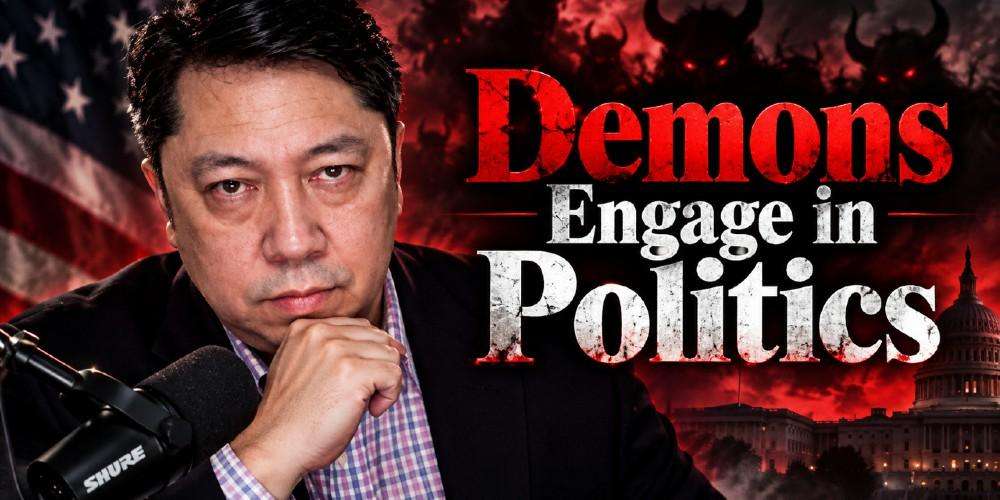

This piece explores the tension between two extremes: those who blame every ill on demonic forces and those who refuse to consider any spiritual influence, using scripture as a backdrop while arguing for a balanced, practical response to evil in our time.
People often treat the Bible as either a literal playbook for spotting demons everywhere or as background scenery with no real bearing on modern problems. Both extremes miss the nuance that faith traditions offer about the human heart, community, and the unseen. Faith can inform how we name and address harm without turning every difficulty into a supernatural explanation.
Recognizing moral and spiritual forces does not require abandoning reason or evidence. There are patterns of cruelty, deception, and organized harm that look like more than random misfortune, and the language of good and evil helps communities respond. Still, rushing to label complex social and psychological problems as demonic can shut down critical inquiry and practical solutions.
A better stance is cautious realism: admit that spiritual realities may exist and sometimes intersect with human behavior, while also insisting on accountability, clear evidence, and real-world remedies. Mental health professionals, first responders, and community leaders all play roles in untangling causes of suffering. Spiritual care and professional interventions should complement one another, not compete for explanatory dominance.
History shows movements that explained every bad event as the work of demons often slipped into superstition or witch-hunts. On the other hand, dismissing the spiritual dimension entirely leaves many without language to process grief, evil, or injustice. The challenge is to hold both concerns at once: stay grounded in facts and responsive to human experience, while allowing room for spiritual interpretation where warranted.
Practical discernment starts with asking specific questions: Who benefits from the harm? What systems or relationships enabled it? What are the psychological, economic, and cultural drivers at play? These concrete inquiries lead to policy, therapy, or community restoration when needed, and open pathways for spiritual reflection when patterns suggest deeper moral corruption.
Communities that balance skepticism and faith tend to be resilient, because they combine accountability with compassion. Churches and faith-based groups can offer moral clarity, support networks, and restorative practices while also relying on experts to address trauma and crime. That partnership reduces the temptation to find an easy supernatural scapegoat for things that require careful, sustained work.
On the personal level, cultivating spiritual disciplines—prayer, honest confession, and disciplined study—can sharpen moral perception and reduce the allure of scapegoating. Those practices help individuals notice their own biases and how fear can inflate the sense of an external enemy. When people practice humility and responsibility, communities are less likely to swing between paranoia and denial.
Leaders, both religious and secular, have a special duty to model measured responses to evil and wrongdoing. Sensational claims about hidden demonic plots can inflame fear and erode trust in institutions that do the hard work of reform. Responsible leaders emphasize evidence, transparency, and incremental change while preserving moral urgency against real injustices.
Ultimately, the issue is not choosing between spirituality and reason, but integrating them so neither becomes an excuse for inaction. Treating the Bible as mere backdrop denies its moral guidance, while making it the only lens denies practical remedies. A middle course respects scripture’s insights, honors professional expertise, and insists on clear-eyed action to repair harm.
When communities adopt that balanced posture, they restore dignity to victims, hold wrongdoers accountable, and rebuild systems to prevent recurrence. That approach resists both fear-driven demonology and complacent dismissal, instead offering a steady path toward justice, healing, and moral clarity without sensationalism.




You must be logged in to post a comment Login