
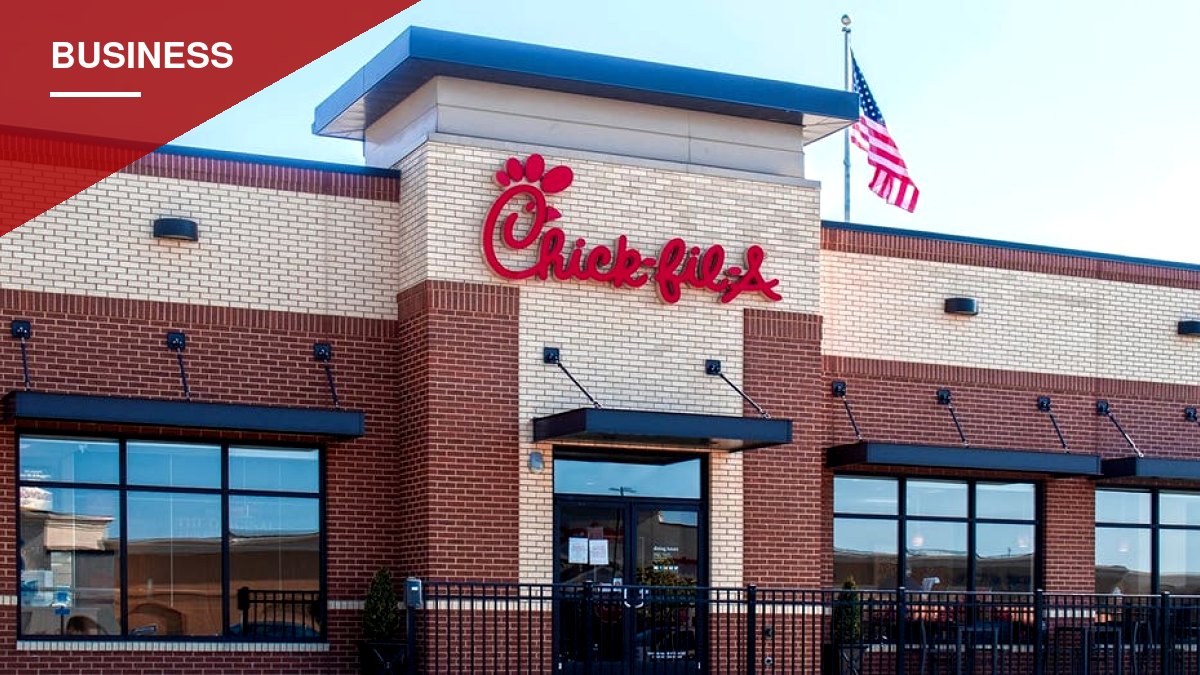

Julian Good, who owns and operates the Chick-fil-A restaurant in St. Charles, Illinois, recently pulled back the curtain on what it actually takes to become one of the chain’s owner-operators — and why the opportunity is so rare.
Speaking on the “Founder Talk” podcast, Good said the franchise fee has stayed remarkably low for decades. “It’s a $10,000 franchise fee. It’s been the same for the last 50 years,” he said.
But the low price tag doesn’t mean the door is wide open. Good said roughly 100,000 people apply each year to run a Chick-fil-A location, and only about 200 are chosen. Applicants who haven’t previously worked for the company often wait three to five years before getting a shot, he added.
Chick-fil-A has described its selection process as “highly competitive,” saying in a January 2024 post on its press room website that it’s looking for leaders who will commit their full time and effort to running a restaurant. Prior experience with the company isn’t a requirement, though — more than 25% of newly selected owner-operators had never worked at a Chick-fil-A or for the company before applying, according to the chain. It says operators come from fields as varied as manufacturing, health care, education, law enforcement and retail.
Not a business you can pass on
What sets Chick-fil-A apart from most franchise systems is that operators never actually own the restaurant. According to Franchise Business Review, Chick-fil-A retains ownership of the building, the equipment and, in most cases, the land itself. That means operators don’t build equity in the business and can’t sell it when they step away.
Good said that arrangement marks a sharp break from how most franchises work. “When a Chick-fil-A operator retires, you can’t pass it down to your kids. You don’t sell the business or anything. It just goes back into the hands of Chick-fil-A,” he said.
Chick-fil-A says its operators instead focus their energy on running the restaurant, developing staff and serving their local communities.
Closed on Sundays, by design
The chain’s best-known quirk — closing every location on Sundays — also came up in Good’s conversation. He said the tradition remains central to the company’s identity, describing it as “just a way to glorify God and give back to the team and the community.”
Fox News Digital, which first reported on Good’s comments, said it reached out to Chick-fil-A for further comment.




You must be logged in to post a comment Login