
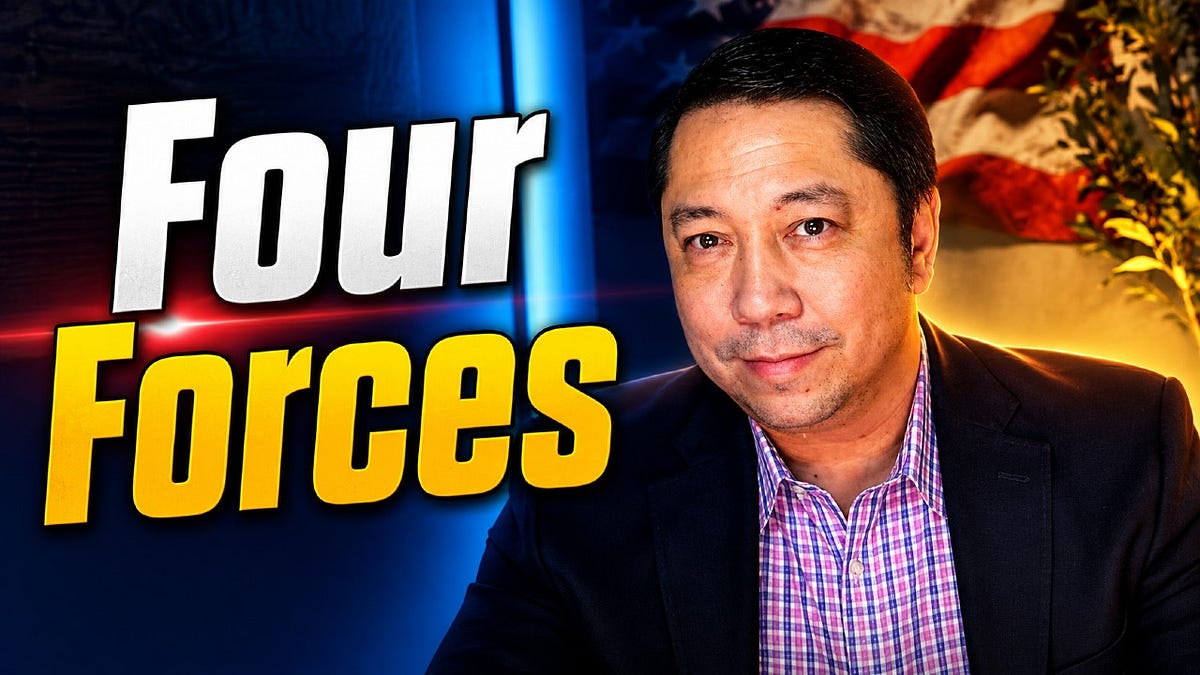

This piece breaks down the four forces that decide elections: hope, cheating, anger, and God, and explains how each one actually moves votes and maps in American politics. It argues that polls are tools of mood, fraud is a real force when institutions fail, anger punishes incumbents, and faith matters for those who refuse to outsource the spiritual side of civic life. Expect a blunt, Republican-minded read that calls for vigilance at the ballot box and prayer in the pews.
Hope is the engine that gets people to stand in bad weather and wait in line, and it is also the fog that can keep your side home. Polls do not simply report attitudes; they shape them, and campaign pros know how to weaponize question wording and sampling to produce headlines. When a headline says the race is over, that headline can become a self-fulfilling prophecy for the complacent voter.
That dynamic explains the so-called “shy Trump voter” problem we’ve seen before, where many Republicans tell pollsters less than they tell themselves. Poll samples skewed toward certain demographics can turn a competitive race into a manufactured landslide on paper. The consequence is real: people stay home and elections flip because momentum evaporated, not because persuasion did.
Cheating is not theoretical when counting happens behind closed doors and rules change midstream, and what happened in 2020 convinced many that process failures can decide outcomes. Observers were kept away, unusual ballot handling occurred, and there were late dumps that shifted tallies overnight in several cities. One local official even bragged in an email about “a flair for drama, delivering just the margin needed at 3:00 am.”
Forensic work and audits have raised uncomfortable questions about mail-in ballots and recordkeeping that courts often avoided. Reports of large numbers of absentee ballots without clear trail or signatures should make any open-minded citizen demand stronger chain of custody and verification. When systems are porous, motivated actors can exploit gaps; that is not conspiracy, it is a practical risk.
Mass mail voting under the cover of public-health emergency widened those vulnerabilities because it produced huge batches of ballots outside traditional controls. Audits in multiple places flagged tens of thousands of ballots with weak or missing documentation, and some counties showed extraordinary anomalies that merit scrutiny. Saying the whole system was “Most secure” felt like a slogan, not an investigation, and Americans deserve better than slogans.
Anger is the simplest electoral engine: people punish the party in power when life gets worse, and that has been the pattern through generations. Rising prices, border chaos, and stalled dreams are not abstract problems for voters; they are practical grievances that translate directly into ballots. Midterms and cycle-after-cycle show incumbents get blamed, and if your side is in power and people feel worse, expect a political reckoning.
History is littered with routs that came from ordinary frustration, not grand ideology — the electorate tends to fire names on the ballot rather than swap philosophies. That crude honesty is also fair: a worker who cannot afford basic goods wants relief more than lectures about long-term policy. If leaders ignore this reality, they will find themselves on the wrong end of an angry electorate.
Hope can blunt that anger, and cheating can sometimes outrun it for a single cycle, but neither negates the basic force of voter discontent. The most durable remedy is a politics that connects policy results to people’s pocketbooks and safety. Winning requires not just messaging and litigation, but delivering measurable improvements that restore confidence and turnout.
Faith still matters to millions who refuse to separate spiritual conviction from civic responsibility, and scripture has long framed political change as something the Almighty can reorder. “And he changeth the times and the seasons: he removeth kings, and setteth up kings: he giveth wisdom unto the wise, and knowledge to them that know understanding.” That line is not a decoration for Sunday; it informs how many believers approach citizenship.
Paul’s instruction to offer “supplications, prayers, intercessions, and giving of thanks” for those in authority shows that faith communities were always meant to engage both spiritually and politically. That does not make every loss a moral failing nor every win a sign of revival, but it does demand that churches pray, repent, and speak truth about things like open borders or questionable counts. Spiritual indifference has real civic costs.
The four forces work together and against one another: hope can be fostered or crushed, cheating can be constrained or enabled, anger can be harnessed or soothed, and God remains sovereign beyond human schemes. Campaigns that fixate on only one or two of these forces will find themselves blindsided when the others assert themselves. Vote like you mean it, watch the count like it matters, and pray like the stakes actually are eternal.
I’ll be discussing this on today’s episode of The JD Rucker Show.



You must be logged in to post a comment Login