

The Pentagon issued new clinical guidelines on Wednesday requiring mandatory testosterone deficiency screening for active-duty and reserve male service members ages 30 and older, effective immediately.
Younger male troops will only be tested if they request it or if a clinician identifies warning signs during an exam.
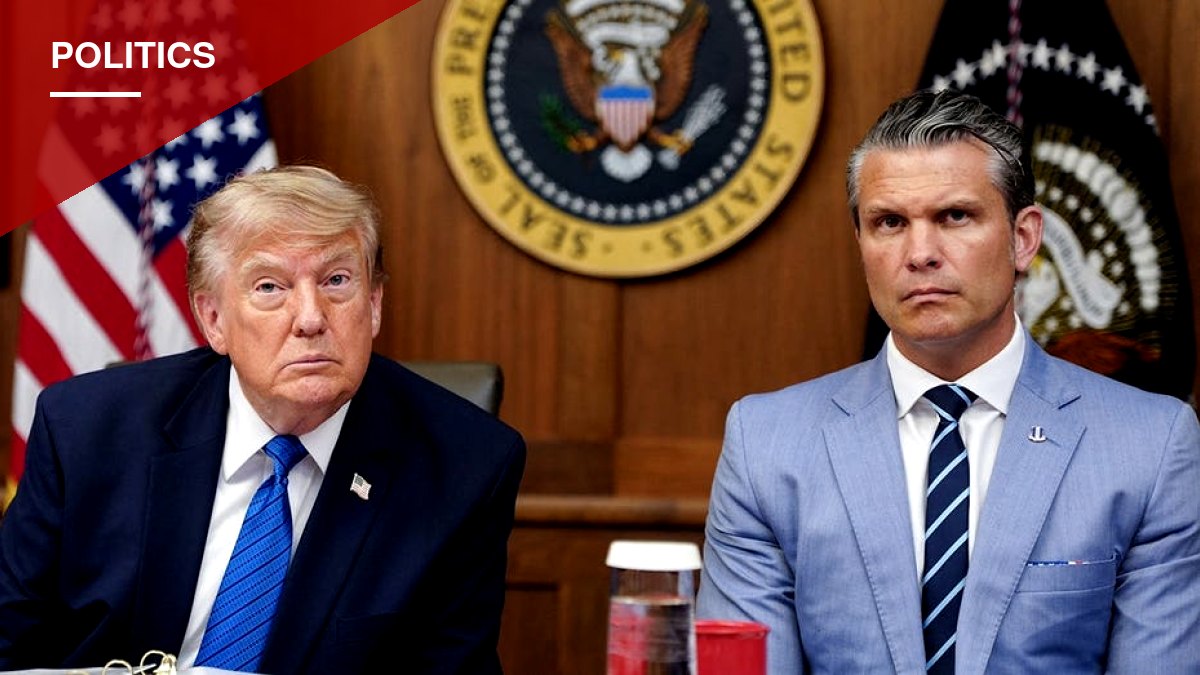
The policy follows an announcement in July by Defense Secretary Pete Hegseth, who said he was authorizing the screening program to ensure troops “have the right testosterone levels to operate at your absolute best.”
“Taking care of your long-term health means ensuring you remain strong, resilient and capable — not just for your next deployment, but for the rest of your life, so you can thrive long after you take off the uniform,” Hegseth said at the time.
Under the new guidance, men found to have low testosterone may receive further evaluation and, if clinically appropriate, be offered voluntary hormone replacement therapy. Testosterone naturally rises during puberty, helping boys build muscle and body hair and supporting sperm production, before levels begin a natural decline between ages 30 and 40.
Women will not undergo routine testosterone blood testing, but will be screened for fatigue and disrupted menstrual cycles, which can signal hormonal dysregulation, low-energy availability or relative energy deficiency in sport. The Pentagon also set new guidelines for when off-label testosterone can be prescribed to women, particularly postmenopausal women experiencing unusually low sexual desire.
The military continues to prohibit testosterone use for non-medical purposes, including performance enhancement without a doctor’s prescription.
Officials say the standardized screening and treatment pathways for both men and women are intended to improve military readiness by identifying and managing hormonal and energy-availability problems.
Some endocrinologists and other medical experts have raised concerns that broad testosterone testing could lead to unnecessary or harmful treatment, arguing there isn’t sufficient evidence that universal screening for low testosterone among service members would actually improve readiness.
The Food and Drug Administration plans to convene a meeting later this month with experts to discuss the medical use of testosterone.






You must be logged in to post a comment Login