
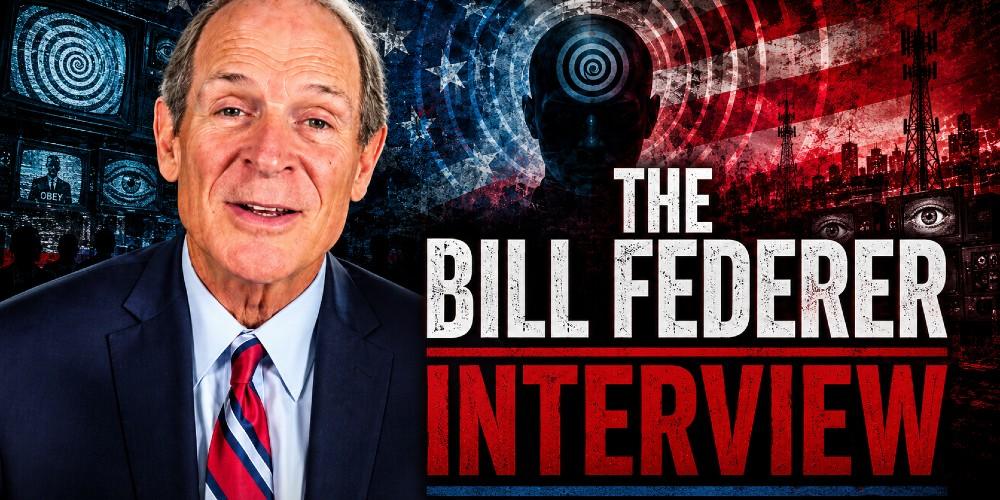

I’ll trace how psychological warfare moved from battlefields to billboards and feeds, show its roots in classic strategy and Scripture, explain how marketing and media fused into modern psyops, and point to what that means for citizens and faith-minded conservatives today.
Historian Bill Federer maps a steady line from ancient cunning to today’s invisible influence machines, and his perspective is a wake-up call. What started as battlefield craft now runs through culture, corporate marketing, and political messaging, shaping what people think they see and feel. That shift matters because when persuasion stops being obvious, resistance gets a lot harder.
The tactical idea is old and blunt: win without brute force by making the other side give up. Carl von Clausewitz framed war as forcing your enemy’s will to bend, and Sun Tzu put the prize on defeating opponents by artifice rather than blood. Fifth-generation warfare takes that lesson and weaponizes ambiguity—confusion, doubt, and social pressure replace cannons and bayonets.
The Bible hands us two textbook cases of this same playbook. Ten spies returned from scouting Canaan with a tale of giants and defeat, and a whole nation recoiled in fear, near rebellion, and wanted to go back to bondage. By contrast, Gideon’s small band used sound and spectacle to create the impression of overwhelming power, and panic did the rest. The mind surrendered before a single hand-to-hand fight began.
“For we wrestle not against flesh and blood, but against principalities, against powers, against the rulers of the darkness of this world, against spiritual wickedness in high places.”
History keeps repeating the point. In World War II, propaganda leaflets and radio taunts were instruments of collapse, aimed at morale more than maps. Tokyo Rose and similar voices weren’t trying to win battles so much as plant doubt in the ranks. Destroy resolve, and victories follow without a single strategic map change.
In the civilian world, Edward Bernays turned these tactics into everyday influence. He understood social proof better than anyone and used it to sell behavior as much as product. He staged moments so that people felt they were joining a trend—remember the “torches of freedom” cigarette stunt—then wrapped social approval around products and choices to engineer consent in plain sight.
Bernays’ work mutated into a new industry: shaping public desire and perception under the nicer label of public relations. Noam Chomsky later named what happened with the blunt phrase “manufacturing of consent,” and conservatives should recognize the danger. In a republic built on informed consent, the distortion of information and the manipulation of social cues give an invisible class enormous power.
That power shows up now in algorithms and platform rules that amplify certain voices and silence others, creating a false consensus of ideas. People fear social rejection and often conform even when facts point another way, because belonging feels nonnegotiable. That creates fertile ground for policies and cultural shifts to be sold as inevitable rather than decided.
Scripture and history both insist the fight for minds matters. Christians understand the spiritual dimension; responsible citizens should understand the practical one. Discernment, community courage, and the willingness to speak unpopular truths are necessary if liberty is to survive influence campaigns dressed as common sense.
Faith gives clarity in this contest because it points to an objective truth beyond trending sentiment. Stand firm, test narratives against history and Scripture, and refuse to let manufactured social pressure dictate conscience. Courage is contagious when someone breaks the silence and refuses to bow to a convenient but engineered consensus.




You must be logged in to post a comment Login