

Israeli intelligence has warned U.S. officials that Iran is reportedly weighing another plot to kill President Donald Trump, a threat that lands amid Tehran’s angry public mourning and chants against America. This article examines the intelligence warning, the broader pattern of Iranian hostility, and the case for firm responses rooted in American strength and allied cooperation. It argues that decisive action and close coordination with Israel are the necessary tools to deter a regime that remains committed to exporting violence. The piece also links this national-security challenge to deeper questions about resolve and leadership in Washington.
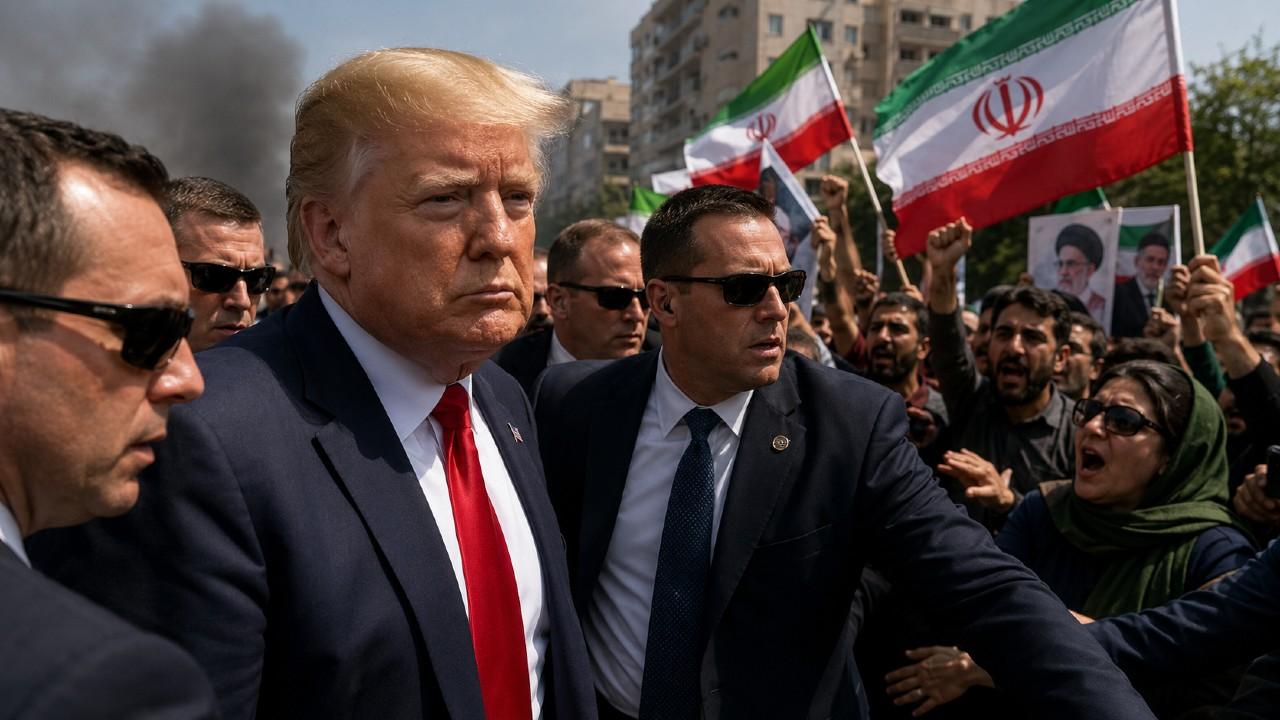
The timing of this warning matters because it came while Iran publicly celebrated the death of a key clerical figure and used mass demonstrations to broadcast threats. Crowds chanted slogans and staged pointed displays that explicitly targeted American leaders, signaling more than grief but a willingness to act. Such open hostility from a theocratic regime that backs proxies worldwide is not merely rhetoric; it is a strategic posture that demands a measured but firm response.
Intelligence shared with allies shows patterns that trace back to the Soleimani strike and the years that followed, when Tehran shifted tactics but not intent. U.S. authorities previously uncovered plots and recruitment efforts aimed at the president and his circle, revealing a persistent inclination among Iranian planners and proxies to use violence overseas. Understanding these networks is crucial for preventing attacks and disrupting operatives before they can carry out plans on American soil.
President Trump has framed the threat bluntly, comparing malign influence to a cancer that must be removed before it spreads. That language reflects a conservative view: deterrence requires clarity and willingness to use power when necessary. Recent U.S. strikes against Iranian assets linked to attacks on commerce in the Gulf underscore a policy preference for immediate consequences rather than prolonged appeasement.
Critics who favor engagement and restraint often argue for diplomatic channels and sanctions relief, but history shows that weakness invites further aggression from regimes that prize expansion of influence. When adversaries see hesitancy, they test limits by escalating covert and overt operations. A posture of strength backed by credible action and allied intelligence cooperation raises the cost for those who contemplate assassination plots or attacks on American interests.
The ideological drive inside Iran matters as much as the military capabilities. The regime’s ruling class adheres to an apocalyptic, revolutionary worldview that targets symbols and figures representing Western values and U.S. influence. That ideological hostility explains why threats against leaders like President Trump are not just personal but symbolic, aimed at undermining American resolve and reshaping regional dynamics to Tehran’s advantage.
Practical countermeasures have to mix sharp intelligence work with public deterrence. Sharing specific information with partners like Israel and reorganizing protective details and law-enforcement priorities on the home front are basic but effective steps. Disrupting financial channels, arresting operatives, and countering propaganda are all part of a comprehensive approach that reduces the chance of a plot moving from idea to action.
Leadership matters in moments like this because the signal sent by the White House changes adversary calculations. A president who makes clear that attacks on American leaders will be met with swift and proportionate responses changes the risk assessment for plotters and their sponsors. That kind of clarity, combined with practical cooperation with allies, is the core of deterrence in a dangerous neighborhood.
Faith and conviction also play a role for many Americans facing this threat, and some draw strength from Scripture in the face of mortal danger. “The Lord is my light and my salvation; whom shall I fear? the Lord is the strength of my life; of whom shall I be afraid?” (Psalm 27:1). That passage resonates with those who view national survival as tied to moral courage and the willingness to defend freedoms against hostile ideologies.
As the investigation into this latest plot continues, the essential choice remains straightforward: confront the threat decisively with allies, or accept higher risks at home and abroad. For conservatives who prioritize national security, the answer is clear—respond with intelligence, resolve, and the readiness to act, because deterrence is only credible when it is backed by capability and will.




You must be logged in to post a comment Login