
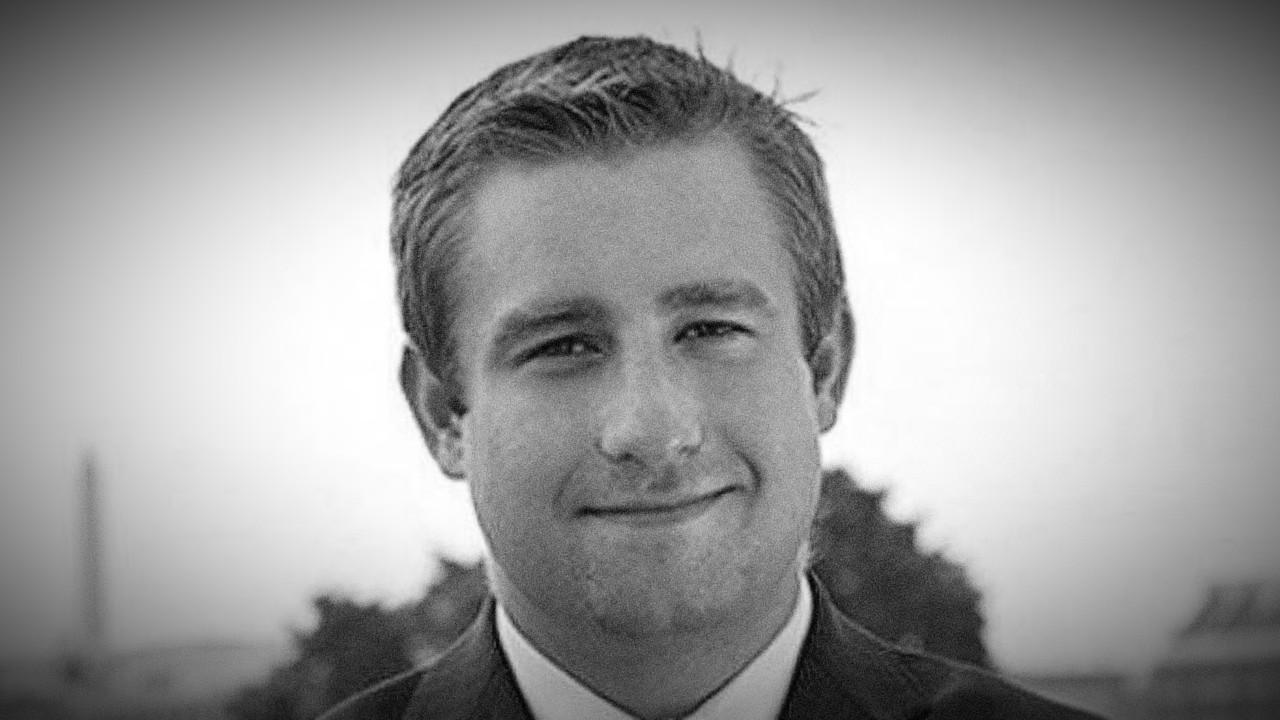

Representative Tim Burchett has formally demanded that FBI Director Kash Patel unseal all documents tied to the 2016 killing of DNC staffer Seth Rich, arguing that Americans deserve full transparency on a case that has never sat right with many citizens. This push follows years of legal pressure that forced the FBI to acknowledge it holds a large trove of records, including Rich’s work laptop and images of his devices. The demand lands squarely in ongoing concerns about government secrecy and whether political considerations shaped how investigators handled the matter.
Burchett’s July 7, 2026 letter is blunt and unapologetic, calling for the FBI to open its files and let sunlight do its work. From a Republican perspective, this isn’t political theater; it’s accountability. When investigators sit on potentially explosive records for years, public trust evaporates and suspicion grows.
The basic facts remain simple and chilling: 27-year-old Seth Rich was shot and killed in Washington, D.C., in 2016, and police characterized it as a botched robbery. That official line never erased persistent questions about whether he had any connection to the DNC email leaks that roiled that election year. Those unanswered questions are exactly why lawmakers like Burchett are pushing for a full disclosure of what the FBI actually knows.
Legal action spearheaded by attorney Ty Clevenger loosened the lid enough to force an admission that the bureau holds more than 20,000 pages related to Rich. The agency also confirmed it has Rich’s work laptop and an image of a personal device, items that should settle questions if they are simply made public. Instead, the slow drip of information fuels suspicion that crucial documents are being shielded for reasons other than law enforcement integrity.
Recent reporting indicates additional pages tied to the case could be sitting in an undisclosed FBI facility alongside other sensitive files, which only raises more red flags. Republicans rightly point out that secrecy breeds the very corruption and coverups voters fear. If records exist in a back room, those records should be subject to inspection and public review under standard transparency norms.
This fight also highlights broader concerns about how federal institutions handle politically charged probes. When investigative choices coincide with partisan narrative lines, citizens have every right to ask whether officials prioritized politics over a straightforward pursuit of truth. Calls for disclosure are about restoring confidence that justice and evidence, not messaging, guide federal action.
Burchett frames the demand as consistent with promises of openness from the current administration, and that’s a fair play in the court of public opinion. The credibility of government rises when it yields records rather than hiding them, and it collapses when transparency is treated as optional. Republicans are making the point that without full access, you cannot claim you have nothing to hide.
Media narratives surrounding the Rich case have swung wildly, and that volatility makes getting primary documents into the public domain even more important. When people have only secondhand summaries, speculation fills the gaps and partisan spin takes root. Letting taxpayers see the underlying files defangs rumor machines and lets independent analysts sort fact from fiction.
There are real stakes here beyond headlines and talking points: trust in law enforcement, the integrity of high-profile investigations, and the basic expectation that government answers to the governed. Republicans promoting disclosure are pushing for a transparent process where evidence is assessed openly rather than parceled out selectively. If the FBI has nothing to hide, unsealing these records ends the debate; if it resists, public skepticism is justified.




You must be logged in to post a comment Login