
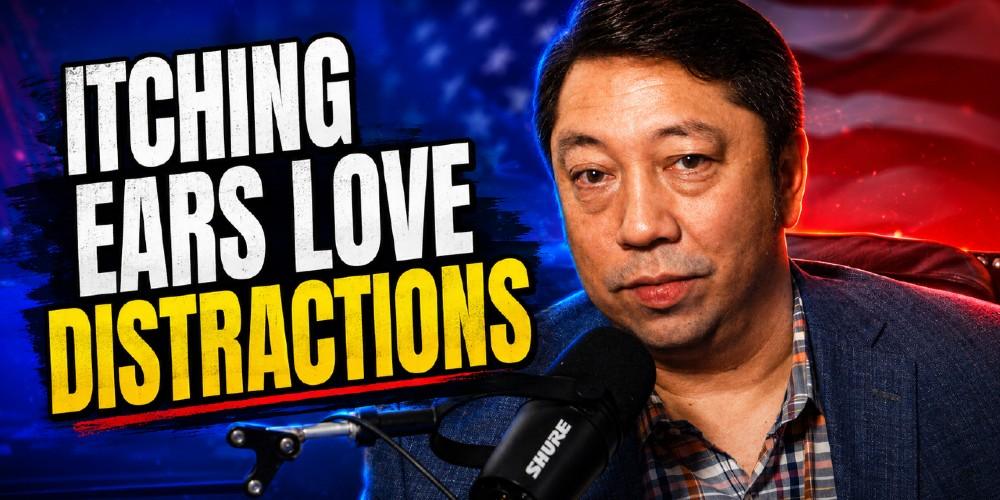

This piece argues that recent infighting and staged controversies are pulling attention away from the conservative agenda, explains why personal-level disputes gain outsized traction, and lays out practical reasons to refuse distraction while keeping focus on core Republican priorities like the economy, border security, and constitutional freedoms.
We are watching familiar patterns play out: small fights blow up and become the story, while big policy failures and threats get less scrutiny. Family and friend quarrels naturally demand emotional attention, and that human instinct is being weaponized against us. The result is a steady erosion of energy that could be spent on winning elections and passing meaningful reforms.
These divides do more than create noise. They fracture trust inside movements, making coalition-building harder and slowing down momentum. Political opponents and hostile media revel in amplified chaos because it obscures real problems the country faces. When activists spend nights debating personalities instead of policy, opportunities vanish and voters tune out.
Social platforms and cable news have created an economy of outrage that rewards scandal over substance. Every time a personal spat becomes the headline, algorithms promote it because engagement spikes and advertisers take notice. That system incentivizes distraction, so conservatives must be aware that viral controversy rarely aligns with long-term objectives.
At the grassroots level this plays out painfully. Local volunteers get demoralized when internal disputes replace door-knocking and voter contact. Campaigns suffer when resources are siphoned off into reputational fights rather than voter ID, turnout efforts, or messaging about school choice and lower taxes. We need teams that prioritize discipline and mission above the instant gratification of public drama.
Holding allies and leaders accountable is not the same as indulging every rumor or media whisper. Accountability matters, but it should be deliberate, evidence-based, and focused on outcomes that affect our communities. Public call-outs can be necessary at times, but they must come after sober analysis, not as reactions to the latest trending headline.
Politically, the stakes are clear and urgent. Weakness on the border, runaway spending, and attacks on free speech are not solved by internecine squabbles. Those are policy battles that require energy, strategy, and voter persuasion, not viral takes. Republicans who want results should push for clear priorities and redirect emotional capital toward concrete victories.
Practical discipline can change the trajectory. Set rules for how disputes are handled internally, emphasize facts over hot takes, and require a strategic cost-benefit check before escalating matters publicly. Train volunteers and leaders to pivot quickly back to voter-facing activities, and measure success in ballots, not bites. That shift will produce fewer headlines but more lasting wins.
Leadership matters in steering this course. Strong leaders will call out manufactured drama when it appears and refuse to amplify it for short-term attention. They will model restraint, reward team members who focus on deliverables, and make the case to the base that steady work wins elections. The public respects consistency and competence more than constant outrage.
Finally, remember what unites conservatives: a commitment to free markets, secure borders, and individual liberty. Those principles are the map, not the noise around the map. If activists and elected officials realign daily priorities to those core issues, manufactured fissures lose power and the movement regains momentum toward real change.





You must be logged in to post a comment Login