

This article follows one clear thread: the modern bondage in Pakistan’s brick kilns, the hands-on rescues led by two American Christians, the practical costs and logistics of freeing families, and the broader social and legal landscape that lets this system persist. You will read about the people doing the work, the families they freed, the numbers involved, and the spiritual and practical aims guiding the effort. The main topic—debt bondage among Pakistani Christians and American-led rescue efforts—is at the heart of every paragraph that follows.
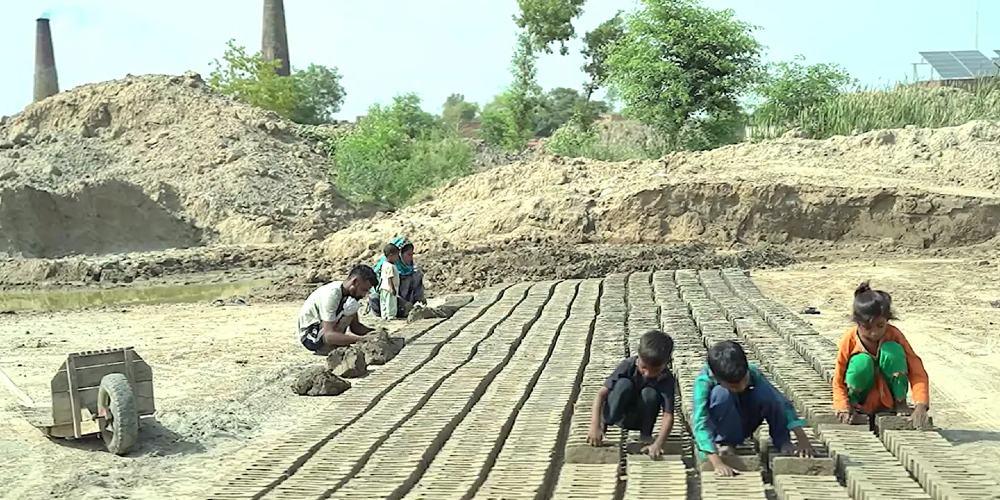
In Pakistan’s brick kilns entire families often endure debt bondage that stretches across generations, with children and parents forced to labor under harsh sun and brutal schedules. What looks like a short-term loan or an emergency advance for food or medical care quickly becomes a lifetime sentence when repayment terms are manipulated and wages vanish. This pattern affects hundreds of thousands, trapping communities in a cycle that is both economic and social.
Two Americans, Aaron Hutchings and Emmanuel Hernandez, decided to step into that reality and act rather than just report it. Hernandez launched Project Jubilee in January 2025 after seeing how deep the problem ran, and what started as a vow to free one family each year has grown into a program that has helped roughly 300 people escape bondage. Each rescue is expensive and complicated; organizers estimate the average cost to free and set up a family at more than $8,500, covering debt settlement, paperwork, housing, food, schooling, and a small income-generating asset like a tuk tuk.
Hutchings, a retired IT professional from Idaho, joined Hernandez and quickly saw the immediate human impact of paying off debts on the spot. On his first trip he freed two families in hours and returned later to liberate ten more, with those rescues amplifying support and donations through his Intentional Faith Foundation. The quick, dramatic acts of buying a family’s freedom have a multiplier effect: freed people can plan and hope instead of merely survive, and those stories drive more donors to act.
The emotional fallout from rescues is plain and deep; children who assumed brick-making was their destiny suddenly confront the possibility of school, play, and future careers. Parents who had given up hope find a second chance to teach, to work for fair wages, and to protect their kids from the kiln’s cycle. Owners of brick kilns sometimes resist these efforts, at times blocking rescues or imposing limits, which shows how entrenched and territorial the exploitation has become.
Pakistan’s Christian community numbers around 3.3 million, a small slice of the national population that bears a disproportionate share of this labor burden. Estimates put as many as one million Christians in various forms of bonded labor, many concentrated in the country’s estimated 20,000 brick kilns. Extreme poverty, discrimination, and the lack of effective legal enforcement create the conditions for these systems to persist.
Bonded labor was outlawed in Pakistan in 1992, yet enforcement has been inconsistent and weak, leaving laws on paper without teeth on the ground. Discrimination compounds the problem: Christians can face restricted housing, social exclusion, and in some cases violent accusations that make them especially vulnerable. International religious freedom monitors have repeatedly highlighted escalating attacks on minorities in the country, which feeds a climate where exploitation can flourish unchecked.
Project Jubilee targets mainly Christian families because they are often the most marginalized, but the team stresses that help is offered regardless of background and aims for full restoration, not just release. That means legal assistance, new housing, income tools, school enrollment for children, and connections with local Christian ministers for ongoing spiritual and community support. The effort intentionally pairs immediate rescue with long-term rebuilding so freed families can stay free.
A scriptural line sits at the center of the mission and is quoted in their outreach: “Is not this the fast that I have chosen? to loose the bands of wickedness, to undo the heavy burdens, and to let the oppressed go free, and that ye break every yoke?” Hutchings often speaks of unexpected connections and what he calls divine orchestration that turned casual meetings into coordinated rescues. For many involved, the work is practical mercy and spiritual witness rolled into one, and it challenges comfortable believers to match prayer with action.





You must be logged in to post a comment Login