
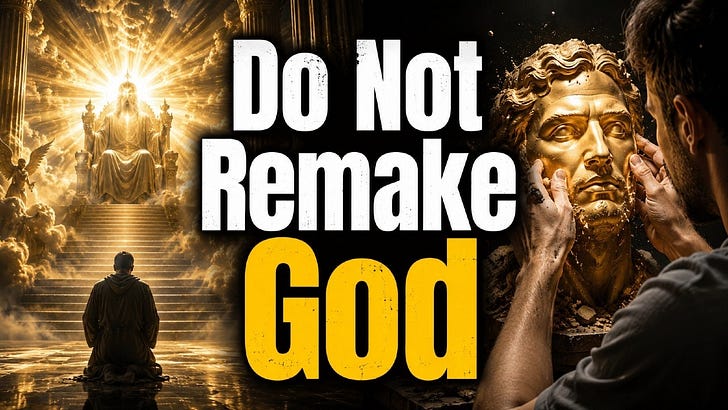

This piece argues that much of modern American spirituality has not rejected God so much as reshaped Him into a softer, more manageable figure, and it traces the consequences of that shift through Isaiah’s vision, a pointed biblical warning, and the cultural fallout when holiness is traded for ease.
America remains broadly religious in name, but popular belief has been nudged toward a domesticated deity who affirms personal preference and stays quiet on inconvenient truths. That kind of god flatters, comforts, and rarely calls for anything costly, which raises the question of whether such a figure can truly claim the name God. The concern is less atheism and more a quiet idolatry of our own making.
- Modern worship often replaces divine sovereignty with an affirming, user-friendly god who avoids demanding holiness.
- Isaiah 6 presents a contrasting picture of a majestic, untamed Lord whose nature centers on holiness.
- The seraphim’s cry, “Holy, holy, holy is the Lord of hosts,” highlights a trait deeper than mere kindness or mercy.
- When God is treated like a life coach, the meaning of sin, sacrifice, and salvation erodes.
- The loss of reverence carries social consequences for institutions, authority, and truth.
The prophet’s vision in Isaiah 6 refuses the therapeutic interpretation of the divine. Isaiah encounters a throne-room God, not a deity tuned to the latest cultural anxieties or social media applause. The seraphim did not sing “love, love, love”; they declared, “Holy, holy, holy is the Lord of hosts.”
That threefold cry matters because it centers holiness as the defining attribute of the divine. Love and mercy are essential, but holiness explains why mercy matters and why love must be ordered by truth. A God stripped of holiness can easily become a mirror that only reflects our preferences back at us.
When holiness is minimized, the lines between right and wrong blur into suggestions rather than obligations. The modern tendency to treat God as a co-pilot or friendly counselor comforts the conscience but leaves it with no standing to demand real change. Without a sense of offense before a holy God, forgiveness loses its function and the cross loses its gravity.
Sociologist Christian Smith captured this trend under the label “moralistic therapeutic deism,” a system where God exists to make people feel good and appears only when needed. That description, offered years ago, now reads like an account of widely held practice. The result is a faith culture that prizes affirmation over repentance.
That cultural shift shows up in institutions and choices labeled religious but shaped by convenience. When doctrine becomes optional and holiness optional, churches remake themselves to fit prevailing desires rather than calling people to accountability. Structures that once enforced moral seriousness face slow corrosion when reverence is no longer expected or taught.
The Bible anticipated this temptation to domesticate the divine. “These things hast thou done, and I kept silence; thou thoughtest that I was altogether such an one as thyself: but I will reprove thee, and set them in order before thine eyes” (Psalm 50:21). Silence from God is not the same as agreement, and the day will come when reality is set before those who assume God simply mirrors them.
Isaiah’s personal response models what reverence looks like in practice: “Woe is me, for I am ruined” — an honest admission of uncleanliness in the face of holiness. That confession is neither therapeutic pep talk nor moral fluff; it is a guttural recognition that change is required and that grace is costly. Too few modern believers feel comfortable with that kind of humility.
The loss of reverence is not merely private piety shrinking; it reshapes civic life too. A society that refuses to honor the holy will struggle to honor parents, teachers, law, or truth, and the erosion of vertical order often produces horizontal disorder. The remedy is not a softer image of God but a renewed encounter with the God whose holiness makes mercy meaningful.
The historic claim is that a holy God loved sinners enough to bear their offense, not because sin is a misunderstanding but because it is a real rupture that required repair. That claim points away from a god we might invent toward one who acts decisively for the world’s healing. Recognizing uncleanliness, receiving mercy, and allowing holiness to reorder life are the steps toward that encounter, even if they are uncomfortable.





You must be logged in to post a comment Login