
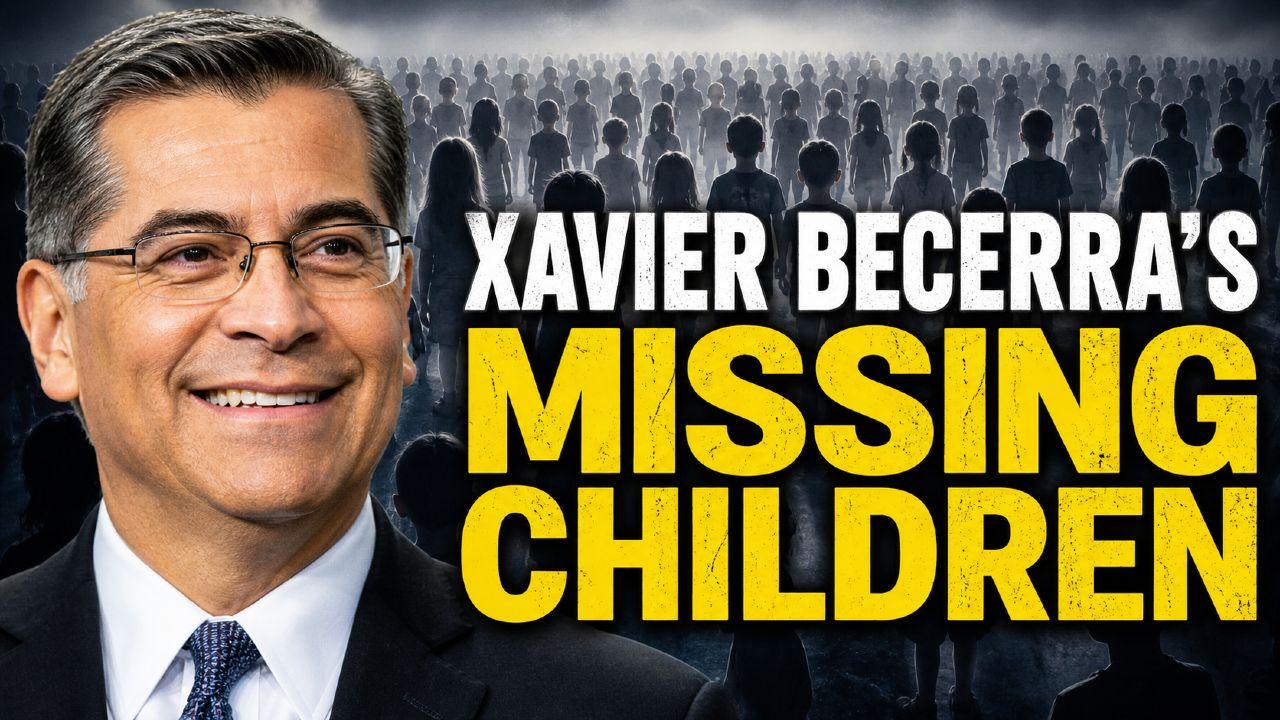

This piece examines the record of Xavier Becerra as HHS secretary, the discovery that roughly 300,000 unaccompanied migrant children were lost or placed with unvetted sponsors during his tenure, the internal warnings and oversight failures that preceded the collapse, and the moral and political questions that follow as he seeks higher office.
Three hundred thousand missing or misplaced children is not a rounding error. It is the size of a major American city and a human catastrophe that unfolded under federal supervision. The scale demands scrutiny and clear answers about who was responsible and why safeguards failed.
Xavier Becerra ran Health and Human Services from March 2021 to January 2025 and was the cabinet official responsible for the Office of Refugee Resettlement. That same official is now campaigning to lead California, claiming experience managing big, complex systems. The experience exists; the outcomes are damning and deserve plain talk from voters.
Early in his tenure, career managers inside ORR raised alarms in writing about a growing danger: the system’s incentives favored speed over safety. Internal warnings described operations that “reward individuals for making quick releases, and not one that rewards individuals for preventing unsafe releases.” Those memos made their way up the chain and were not acted on effectively.
Independent oversight confirmed what staff had warned. Office of Inspector General reviews in 2022 and later in 2024 documented that guidance issued to speed releases removed crucial safeguards and left documentation and follow-up lacking in a substantial share of cases. These findings show a pattern of eroded protections that increased risk to children in federal custody.
At a recorded 2022 staff meeting, the secretary chastised employees for not moving children out of custody quickly enough and invoked an industrial metaphor to make the point. His words revealed how operational pressure became the driving metric inside the agency.
“If Henry Ford had seen this in his plants, he would have never become famous and rich. This is not the way you do an assembly line.”
Staff understood the message. Contractors later said employees faced pressure to release a high percentage of cases weekly or face discipline, which reduced vetting to a checklist at best. When birth certificates from other countries were treated as sufficient proof of kinship and DNA testing remained voluntary, the system was primed for fraud and exploitation.
Under oath in March 2023, Becerra dismissed a departmental figure about unreachable children as unrealistic, though it came from his own data. His testimony to a Senate committee stated, “I have never heard that number of 85,000, I don’t know where it comes from and so I would say it doesn’t sound at all to be realistic.”
“I have never heard that number of 85,000, I don’t know where it comes from and so I would say it doesn’t sound at all to be realistic.”
That 85,000 figure proved conservative. A later audit completed after the administration changed found roughly 300,000 children processed during the Biden years had been lost track of or placed with sponsors who were not properly vetted. Out of about 470,000 unaccompanied minors handled in that period, two-thirds effectively vanished from reliable oversight.
The human consequences were staggering and specific. Inspectors found tens of thousands of registrations to invalid addresses, clusters of children tied to exploitative locations like a single strip club in Orlando, and reports of children routed to apartments later identified as trafficking sites. Vetting requirements for sponsors and household members were pared back, eliminating reliable checks for criminal histories or cartel ties.
When records were finally reviewed, officials uncovered a backlog of thousands of internal reports that had been filed and shelved. HHS had a stack of 65,605 unaddressed reports, including tens of thousands of notifications of concern, thousands of suspected trafficking alerts, and numerous fraud leads where adults impersonated relatives. Those reports sat uninvestigated.
The outcomes turned grim for some children. Of the roughly 22,000 located later, dozens had died from violence, suicide, or overdose, and investigators documented cases of pregnancy and placements tied to criminal networks. ORR records identified many instances where children were placed with unrelated sponsors without any evidence that a home study had been done.
A moral standard is embedded in scripture: Execute ye judgment and righteousness, and deliver the spoiled out of the hand of the oppressor; and do no wrong, do no violence to the stranger, the fatherless, nor the widow, neither shed innocent blood. The record here raises the question of whether federal leadership met that duty or fell short in ways that cost children their safety.
Congressional oversight efforts encountered resistance. Investigators and senators reported incomplete document production and unanswered subpoenas, and it took a new administration to force a fuller accounting of records. The pattern of obstruction, not transparency, deepened doubts about what leadership knew and when they knew it.
Now on the campaign trail, Becerra touts management credentials while omitting this record from his pitch. Voters in California should weigh his stewardship of a federal agency charged with protecting children against his promise to manage a state of nine million minors, because the stakes are both administrative and moral. The choice demands plain answers and real accountability before promotion to a larger office.




You must be logged in to post a comment Login