
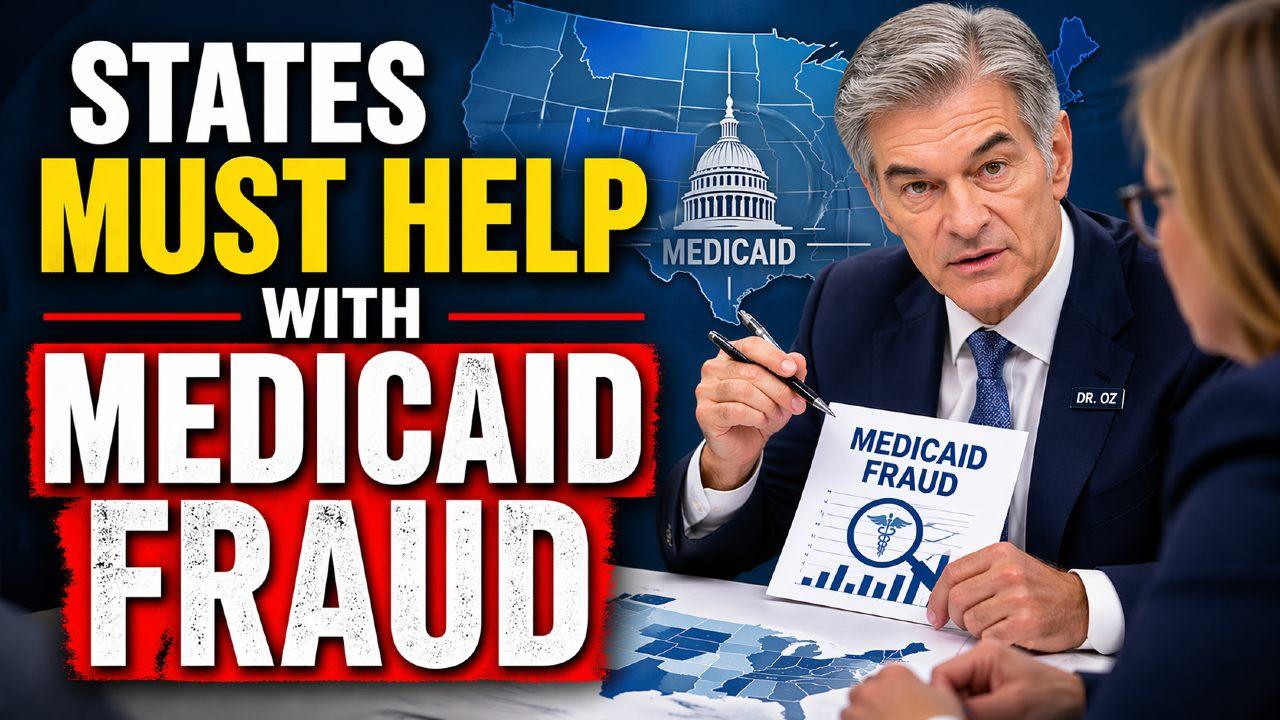

Dr. Mehmet Oz has ordered every state to prove their Medicaid providers are real and accountable, giving them tight deadlines and warning of stepped-up federal audits. This move is part of a broader push to stop waste, fraud, and abuse in entitlement programs and to force states to own the integrity of their rolls. The stakes are taxpayer dollars and the program’s future for people who actually need care.
Oz sent letters demanding clear, nationwide strategies for provider revalidation with a 30-day turnaround, and he made it plain there will be consequences for slow or inadequate responses. The administration is signaling that passive federal oversight won’t shield states that let bad actors thrive. Audits and payment holds are on the table for jurisdictions that fail to act.
- Demanded revalidation plans from all states within a strict deadline to root out fraudulent or phantom providers.
- Threatened escalated audits and payment actions against states that do not follow through on meaningful verification.
- Pointed to prior probes that exposed improper payments and suspicious provider growth in multiple large states.
- Linked to the administration’s fraud-fighting agenda, stressing a tougher, coordinated federal approach.
- Made clear legitimate clinicians are safe while scammers who exploit gaps face consequences.
- Stressed that verifying providers is essential because Medicaid touches tens of millions and costs taxpayers dearly.
The directive follows months of targeted federal actions where states could not satisfy concerns about enrollment integrity. Minnesota felt that pressure when hundreds of millions in payments were deferred after federal officials judged the state’s response insufficient. Similar scrutiny hit other big programs where provider lists ballooned and payments went to questionable entities.
Critics on the left labeled the push partisan, but the evidence of improper payments and overbilling spans red and blue states. For years, generous federal matches came with inconsistent accountability, which encouraged lax enrollment screening and weak follow-up. Those gaps allowed opportunists to exploit the system while honest providers and taxpayers picked up the tab.
States that expanded Medicaid aggressively now face the irony of those same expansions exposing integrity problems. Boosting access without tightening verification created openings for fraud that undercut public trust. Holding programs to account is about stewardship, not punishment, because stolen funds are money not spent on real care.
Oz’s strategy leans on data, targets high-risk areas like durable medical equipment and sprawling provider networks, and ties oversight to consequences. The federal role here is straightforward: when Washington pays a big share of the bill, it has the right to demand responsible use of those dollars. States can’t treat federal matching funds as free rein and then hide behind autonomy when problems surface.
Past administrations too often prioritized raw enrollment growth over outcomes and safeguards, letting the problem spread. That failure shows up in strained trust funds, ballooning budgets, and a steady stream of scandals that sap confidence in public health programs. This administration says it will pair enforcement with a commitment to preserve Medicaid’s core purpose for needy patients.
**“And the king answered and said unto the woman, Hide not from me, I pray thee, the thing that I shall ask thee. And the woman said, Let my lord the king now speak. And the king said, Is not the hand of Joab with thee in all this?” (2 Samuel 14:18-19).** Oz’s letters demand the kind of plain truth-telling and accountability that cuts through evasions and excuses from state actors.
Stopping fraud is not an attack on people who depend on Medicaid; it is the only reliable way to keep the program solvent and focused on genuine need. If states step up with serious revalidation and stronger monitoring, patients benefit and taxpayers get value for their money. Failure to act simply hands the field to scammers and forces policymakers to choose between shrinking benefits or letting abuse continue.





You must be logged in to post a comment Login