
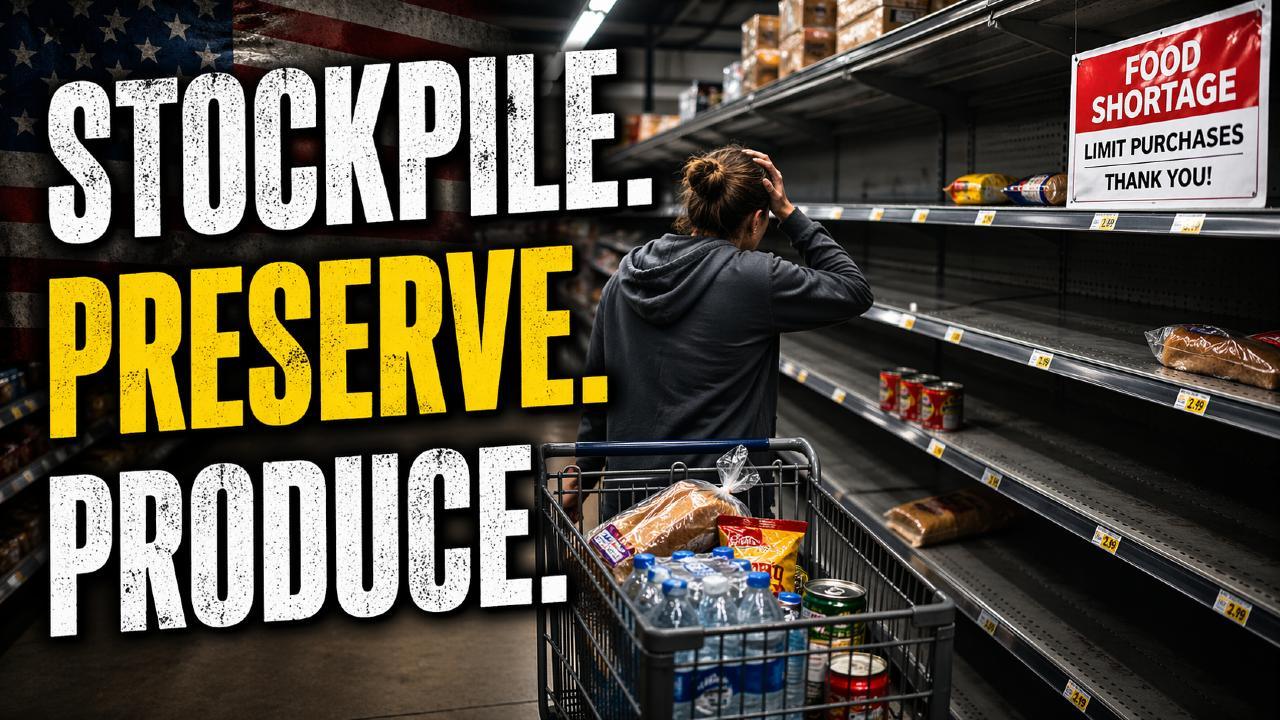

America’s food system is showing real strain: orange groves that once defined abundance are nearly gone, the national cattle herd is at a postwar low, and drought has tightened wheat supplies across the Plains. These trends are connected, driven by disease, weather, and supply-chain shocks that leave farmers squeezed and consumers exposed. This piece looks at the causes, the risks, and practical steps citizens can take to protect themselves and support a more resilient food supply.
What used to feel like reliable plenty now looks fragile, and that fragility matters beyond economical talking points. Florida’s citrus industry has been hammered, ranchers are shrinking herds, and bread wheat is stressed where it matters most. Those are not random problems; they add up into a national vulnerability that deserves straightforward attention rather than wishful thinking.
Florida’s orange production has collapsed in ways that should worry anyone who remembers supermarket displays of sun-bright fruit. Citrus greening, an insect-borne bacterial disease, cripples trees from the inside and leaves no cure once symptoms show. Add storms, freezes, and development pressures and the old Florida citrus footprint keeps shrinking, a structural loss the market cannot instantly replace.
Beef supplies tell a similar story of time and biology working against quick fixes. The national cattle herd is the smallest since 1951, even as demand has kept rising. Rebuilding a herd is not a quarterly business decision; it requires years of retention, calving, and care, which means higher prices are likely to stick around until production catches up.
New threats hover at the border and beyond that could make recovery harder still. The New World screwworm, a parasitic threat known to ravage livestock, has appeared near the border and could devastate vulnerable herds if it spreads. Farmers and ranchers already managing tight margins cannot absorb a surprise biological assault without cascading losses to supply and income.
Across the Great Plains, winter wheat—especially hard red winter wheat used for bread—has suffered from prolonged dry conditions. Fields in Kansas, Oklahoma, and Texas are rated poorly, which pushes buyers toward pricier alternatives and widens premiums for high-protein wheat. When the breadbasket falters, effects hit school lunches, bakeries, and every family that uses flour at home.
On top of weather and disease, the fertilizer market has become a choke point. Shipping disruptions and geopolitical tensions have tightened supplies of nitrogen and phosphate just when growers need them most. Faced with higher input costs and volatile diesel prices, farmers confront the tough math: cut back usage and risk lower yields or pay more and erode already-thin margins.
>The combination of just-in-time inputs, concentrated production, and environmental pressure creates a brittle system that does not reward complacency. Decades of chasing efficiency and global markets have eroded redundancy and resilience at home. Republican principles favor empowering producers, protecting property rights, and removing regulatory roadblocks so American farms can be flexible and self-reliant again.
History and plain sense both argue for stewardship and preparation rather than relying on distant supply chains to bail us out in a crisis. The Bible’s Genesis 41 story of seven years of plenty followed by seven years of famine offers a lesson in storing surplus during good seasons so communities survive bad ones. Practical foresight—whether private or public—beats last-minute panic every time.
There are concrete ways to respond that respect individual responsibility and market dynamics while strengthening capacity. Support for plant and animal health programs, smarter water management, and ensuring access to key farm inputs can make a real difference. At the same time, families should consider basic preparedness steps that blunt short-term shocks to household food security.
- Stockpile: Build up the cupboard and pantry
- Preserve: Freeze dry or can everything, especially leftovers
- Produce: Build a garden and get chickens
There is an episode titled “Three Basic Moves to Make Ahead of the Coming Food Shortages” that outlines similar practical steps for households wanting to act now without waiting on distant solutions. Simple measures at the household level combined with policy that rewards resilience can keep grocery shelves full and families secure.






You must be logged in to post a comment Login