
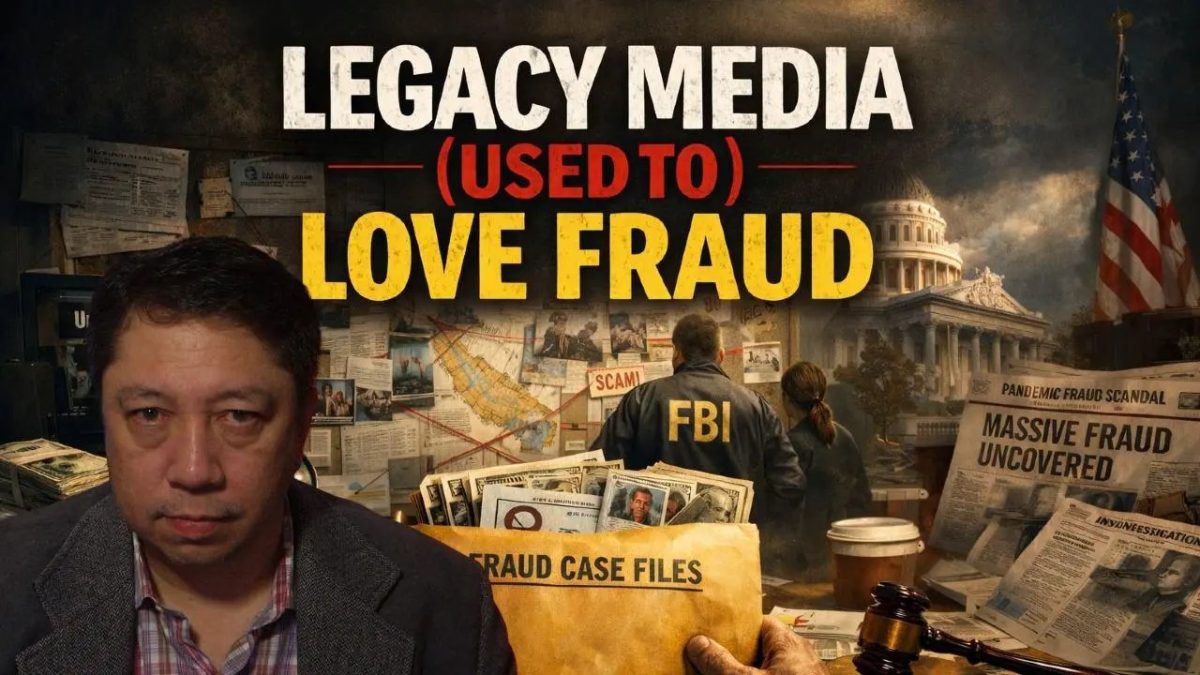

A massive Medi-Cal fraud case has exposed a bigger problem in California: an individual scheme that funneled huge public dollars out of the system, weak state controls that let it happen, and a national media that largely ignored the story. The guilty plea in this case highlights how relaxed rules and overwhelmed systems created easy targets for fraud, and federal prosecutors are now pushing back. Taxpayers deserve to know how much was lost, why it happened, and what must change to stop it from happening again.
Paul Richard Randall pleaded guilty to wire fraud for running a scheme that submitted nearly $270 million in claims and triggered more than $178 million in improper Medi-Cal payouts over an 11-month span. Prosecutors say the operation billed for expensive drugs that were either inexpensive generics in reality or never dispensed to patients. The case shows how a single operator can turn a public health program into a cash source when oversight is weak. Sentencing is set for August 3, with a potential prison term of up to 30 years.
Federal authorities pointed to temporary policy changes during the pandemic as a major enabler, with prior authorization requirements loosened and verification steps paused. First Assistant U.S. Attorney Bill Essayli put it plainly: this defendant used a public health program as his personal piggy bank. That combination of relaxed rules and high-volume billing created the perfect environment for abuse. This plea is a reminder that emergency policies must include safeguard plans, not permanent holes in controls.
This case is not an outlier, it fits into a pattern of waste and fraud across multiple California programs. Audits and investigations revealed that the Employment Development Department faced billions in fraudulent unemployment claims during the pandemic, with confirmed losses in the tens of billions and improper payments estimated far higher. EDD remains flagged as high risk, showing the same structural failures in eligibility checks and fraud prevention. When one arm of state government leaks billions, the burden falls on honest workers and taxpayers.
Medi-Cal itself carries even greater risk because its budget is astronomical and verification is often cursory. Applying conservative improper payment estimates to recent Medi-Cal spending suggests losses in the many tens of billions, and some independent analyses push that figure much higher. Combine that with scandals in hospice billing, sham daycare operations, and questionable relief programs, and the total taxpayer exposure under the current administration climbs into the hundreds of billions. Those are not abstract numbers, they represent services denied or taxes diverted from productive uses.
Federal momentum has picked up, with Justice Department efforts and congressional oversight teams digging into these schemes. Strike teams and auditors are now focused on tracing where the money went and holding people accountable. Still, the national legacy media response has been uneven, with many outlets downplaying these recurring failures while a few outlets covered the Randall plea clearly. That silence matters because public pressure and awareness are essential to forcing meaningful reform.
The root cause is predictable: generous program expansion without matching investments in controls, real-time verification, and accountability. Repeated state audits have flagged eligibility gaps and weak cross-checking, yet reforms have been slow and piecemeal. Practical steps like stronger identity checks, mandatory cross-matching with incarceration and death records, and automatic flags for anomalous billing would reduce the opportunity for large-scale theft. Equally important are real penalties for administrators who ignore repeated audit warnings.
When government programs become targets for organized schemes, the victims are not faceless budgets, they are working families and people who actually need help. Allowing billions to be siphoned off undercuts trust and makes it harder to defend legitimate support for vulnerable people. If California and federal partners really want to stop this, they will pair enforcement with smart safeguards and insist on transparency until the problem is fixed.




You must be logged in to post a comment Login