
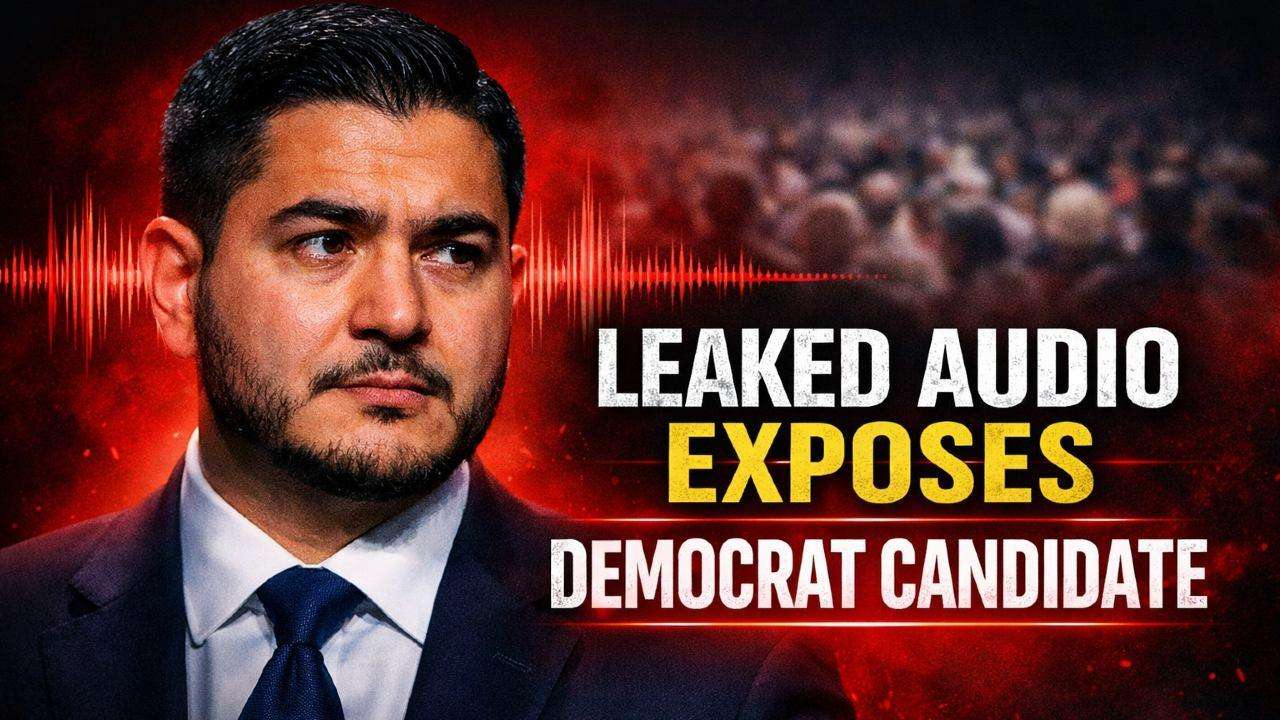

Leaked audio of Democratic Senate hopeful Abdul El-Sayed has surfaced, revealing private campaign talk about why he avoided commenting on the killing of Iran’s Supreme Leader. The recording shows a candidate weighing how local sentiment in Dearborn might affect his standing and appears to suggest steering reporters away from the issue. The exchange has prompted sharp questions about priorities, candor, and the kind of leadership voters should expect on matters of foreign policy and national security.
The clip was reportedly captured during a private call with campaign staff, later obtained by reporters and circulated publicly. That context matters because it exposes candid strategic thinking that voters would not normally hear. Rather than a polished public statement, the audio reveals the messy, tactical side of political decision making.
In the recording El-Sayed is quoted as saying “a lot of people in Dearborn are sad,” explaining his hesitation to speak out. That line puts a spotlight on Dearborn, a Michigan city with a sizable Arab-American and Muslim population, and suggests local feelings were a core part of the calculus. For many voters, the idea of tailoring public commentary around the sensitivities of a single constituency looks less like leadership and more like calculated pandering.
From a Republican perspective this is exactly the kind of behavior that deserves scrutiny. National security issues are not local focus groups to be managed; they require clear, consistent positions from our leaders. A candidate who openly admits to staying silent to avoid upsetting a voter bloc is signaling priorities that sit uncomfortably with those who value frankness and strength on the world stage.
The audio also reportedly includes advice to redirect reporters toward attacking Donald Trump rather than addressing the core issue. That tactic is familiar: when a politician fears a question, change the subject and pull the conversation to partisan land. Voters want answers, not sleight of hand, and the tactic suggests a campaign more invested in messaging than in accountability.
Leaked conversations might not capture the full nuance of a campaign’s internal debates, but they do reveal instincts. This clip shows a candidate willing to prioritize political calculations over a straightforward public stance the moment a headline involves geopolitics. That raises red flags for anyone who wants elected officials to represent the whole country rather than chase votes from particular communities.
The moment lands in the middle of a tight Democratic primary for Michigan’s open Senate seat, which means it could reverberate in unexpected ways. Primary voters decide the nominee, but general election voters watch for character and judgment signals like these. For swing voters and conservatives watching closely, the audio is fodder for doubts about whether the candidate would lead decisively or continue to triangulate on tough issues.
What matters now is how the campaign responds and how voters react. Transparency should be the baseline in a democracy, and private strategy calls that suggest selective silence on global events deserve an explanation. The leaked clip forces a conversation about whether political expediency or clear principles will guide those seeking higher office.




You must be logged in to post a comment Login