
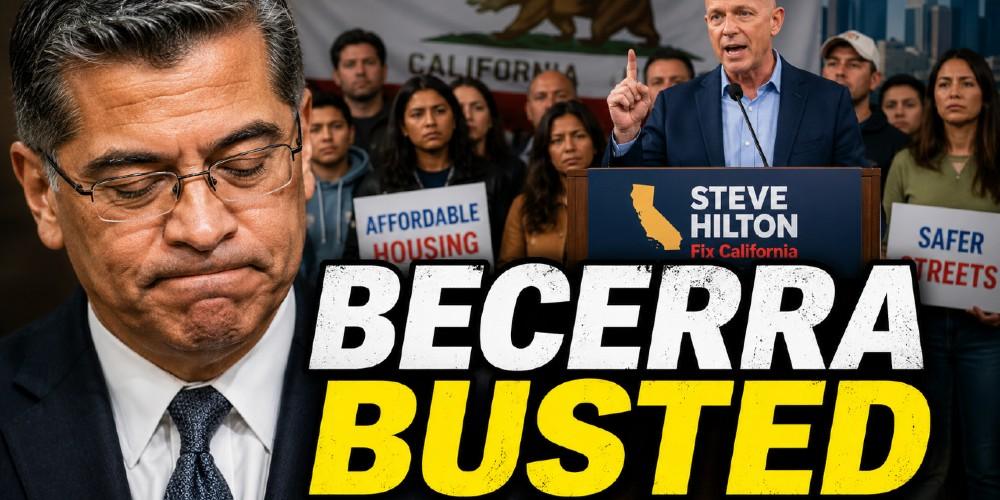

Steve Hilton’s CalDOGE team has published an investigation alleging taxpayer-funded nonprofit activity is being used to mobilize undocumented people in support of Xavier Becerra’s run for governor. The report centers on the Coalition for Humane Immigrant Rights of Los Angeles, claiming state grants and internal documents show paid or organized campaign work by noncitizens. This piece lays out the legal and political stakes and why Republican voters and watchdogs should be alarmed.
Hilton’s team says the evidence is direct and specific: internal materials and on-the-ground reporting that connect state-funded programs to explicit campaign activity. That is not the same as neutral outreach, according to their account, and it raises questions about whether public money meant for services is being diverted into partisan organizing. The accusation is that the nonprofit blurred lines between 501(c)(3) services and 501(c)(4) political work in ways that benefit a single candidate.
CHIRLA is already a major recipient of state grants for legal aid, citizenship classes, and community services, according to the investigation. The report points to years of funding running into the tens of millions, funneled through various state departments and social service streams. When organizations that draw on public dollars step into electoral politics, taxpayers have a right to demand transparency.
The group’s Action Fund reportedly endorsed Becerra on April 13, and Hilton’s team claims internal practices included recruiting and paying undocumented canvassers and phone bankers for political outreach. These activities, the investigators say, were coordinated with programs that receive state support, creating a financial and operational overlap. If true, that crosses a clear line under federal rules restricting partisan use of government-funded nonprofit resources.
Hilton made the charge plainly at a press conference: “California taxpayers are funding an organization that uses illegal immigrants to campaign for Xavier Becerra,” he stated. “This is not just unacceptable and unethical and outrageous—a theft of taxpayer money for political purposes. It is illegal.” That direct language reflects the tone his campaign and followers want: hold those who manage public money accountable.
Federal law forbids using taxpayer-funded nonprofit resources for partisan political activity, and it also bans employment of unauthorized workers in certain roles. The concern here is two-fold: public dollars being used for politics and noncitizen labor being organized into campaign roles. Both raise obvious legal and ethical alarms that should prompt swift review by authorities.
Becerra’s record as a high-profile Democrat and former federal official makes this more than a local scandal; it plays into wider debates about immigration policy and political power in sanctuary states. His candidacy has already faced scrutiny on other fronts, including an unrelated probe into campaign finances and alleged theft by operatives. Those separate troubles make any new allegation of misuse of public funds more combustible politically.
CalDOGE’s broader narrative is familiar to conservatives: state spending funneled to activist networks that then bend community programs into voter mobilization machines. The report references previous examples where service dollars allegedly fed political infrastructure, and the pattern is supposed to show systematic exploitation rather than isolated mistakes. For skeptical taxpayers, the key question is whether oversight has been lax by design.
The practical stakes are immediate for working Californians who feel squeezed by high taxes, rising housing costs, and strained services. If public grants are effectively underwriting partisan campaigning, those dollars are not going to rebuilding roads, supporting local schools, or lowering the cost of living. Voters deserve to know if state money is being repurposed into political advantage instead of public benefit.
Calls for federal and state investigations have already followed the revelations, and those demands reflect more than partisan theater—there are legal thresholds to examine. “But let judgment run down as waters, and righteousness as a mighty stream.” That biblical line was invoked in the original account and now frames the insistence on impartial enforcement and accountability.
The next steps are institutional: audits, subpoenas, or prosecutions depending on what independent investigators find. If the allegations hold, the consequences should be real and structural, not just headlines that fade away. Republicans pushing for transparency will be watching closely as the fast-moving campaign season unfolds and as Californians weigh whether public resources are serving citizens or bolstering one-party rule.




You must be logged in to post a comment Login